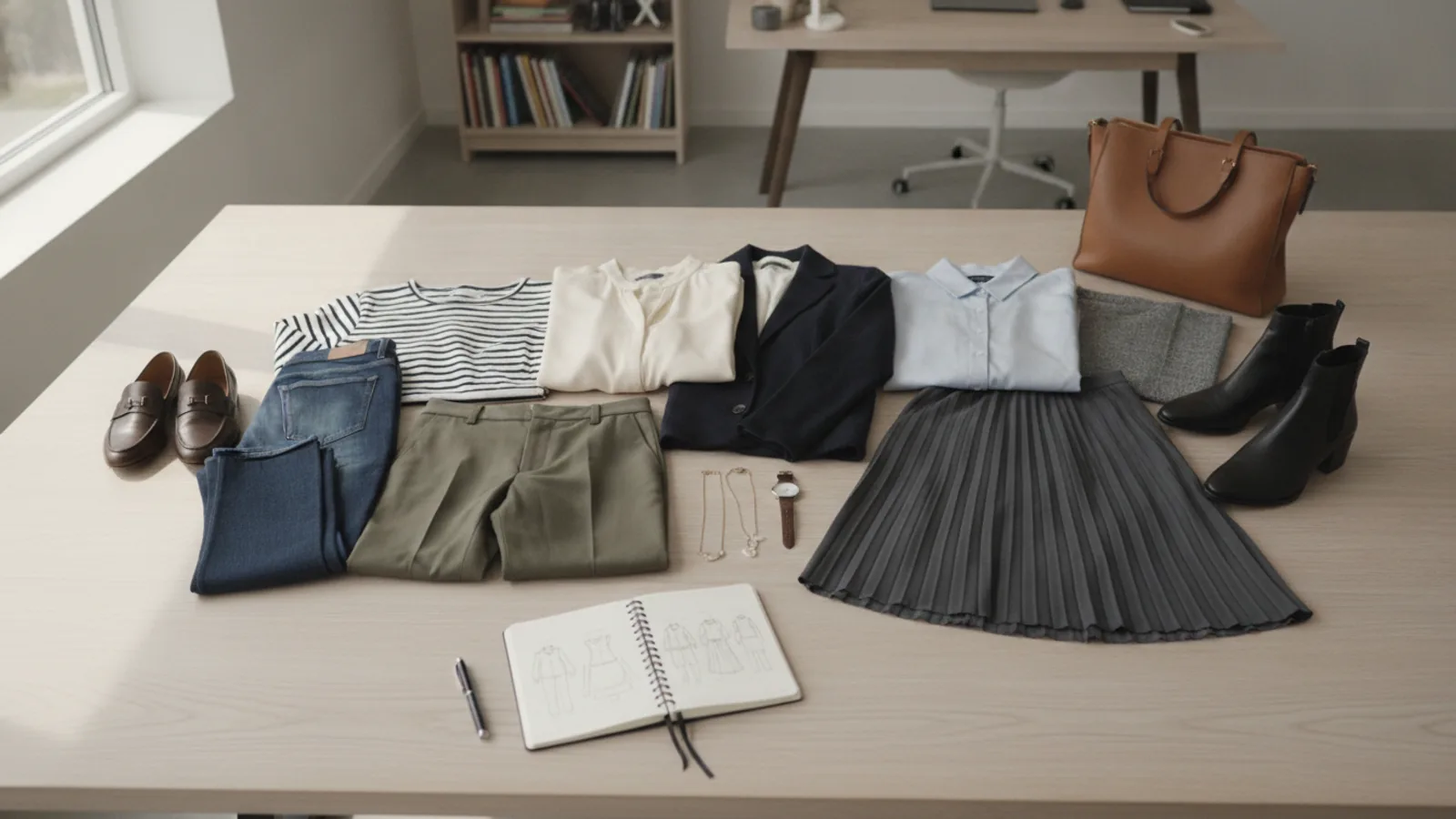
How To Plan A Reliable Jacket For Changeable Weather
A practical step-by-step guide to how to plan a reliable jacket for changeable weather, including preparation, instructions, common issues, tips, and next steps.
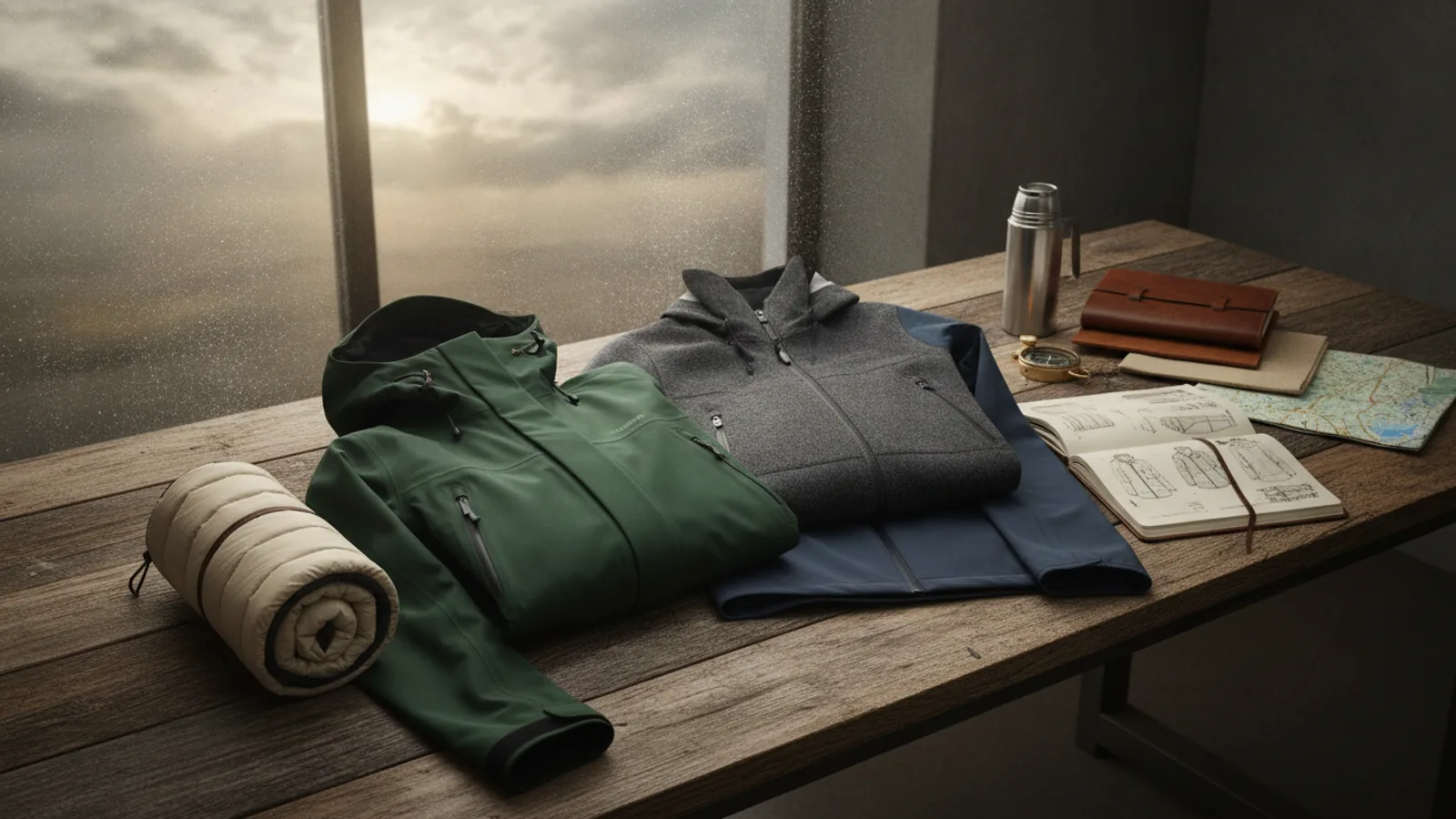
How To Plan A Reliable Jacket For Changeable Weather
A reliable jacket for changeable weather is one that you can adjust as conditions shift. This guide explains how to choose, prepare, and wear a layering system that keeps you comfortable through sun, wind, and rain. You'll learn what materials work best, how to pack smart, and how to react when the forecast changes mid-day. Focus on breathability, water resistance, and packability to stay ready without overheating or getting soaked.
Fast Answer
- Choose a water-resistant outer shell with a hood, and pair it with a mid-layer that you can add or remove as temperature changes.
- Before you head out, check the full forecast and prepare for the worst case by packing a lightweight, packable layer that fits in your bag.
Before You Start
- Check the hourly forecast for your exact location, including wind speed and chance of rain, so you know what range of conditions to plan for.
- Assess your activity level and expected duration outdoors, because a long walk or bike ride generates more body heat than standing still.
- Test your existing jackets for water resistance by sprinkling water on the fabric to see if it beads up or soaks in, then treat or replace as needed.
- Organize your layers in a dedicated packing cube or stuff sack so you can quickly access and stow them without unpacking your whole bag.
Step-by-Step Instructions
Identify Your Core Needs
Start by writing down the weather you expect: temperature range, precipitation type, and wind strength. For changeable conditions, you need a jacket that is wind-resistant, water-repellent, and packable. Consider the activity you'll do, because a hiking jacket that breathes well may not suit a casual city walk. Think about the duration: a short errand allows a less durable shell, while an all-day outing needs something tougher. Make a list of features you require: a hood that fits over a hat, pockets that close securely, cuffs that block drafts, and a length that covers your lower back. This list will guide every later decision. Rank features by priority, and be honest about which ones you truly need versus those that are nice to have. A clear set of needs prevents impulse buys and helps you evaluate what you already own.
Choose a Breathable Outer Fabric
Look for a shell made of a tightly woven nylon or polyester with a durable water-repellent (DWR) finish. These materials block wind and shed light rain without turning into a sauna. Avoid rubberized or plastic coatings, which trap moisture. The key is breathability: some jackets have pit zips or mesh-lined vents that let heat escape. If you cannot find a breathable shell, compensate by choosing a jacket with a larger cut so air can circulate. For most changeable weather, a 2.5-layer construction offers a good balance of weight, packability, and all-round performance. When you try it on, do a few arm circles and bends to confirm the fabric moves with you and does not bind. Hold a piece of fabric to your mouth and exhale: you should feel some air pass through, which indicates breathability. This check matters because a non-breathable jacket will cause you to overheat and sweat, leading to chill when you stop.
Select a Packable Insulating Mid-Layer
Your mid-layer is what you will add or remove as the day warms up or cools down. A thin synthetic puffer or a microfleece hoodie is ideal because it is light, compressible, and warm even if damp. Avoid cotton, which becomes heavy and cold when wet. The mid-layer should be slightly snug but not tight, so it layers under the shell without bulk. When choosing insulation, consider the lowest temperature you will encounter. For most moderate climates, a jacket with 60 to 80 grams of synthetic insulation is enough. You will also want a zipper or other easy closure, because you may need to adjust it quickly during a temperature shift. Try it on and move your arms to check the sleeve length and shoulder flexibility. Make sure you can comfortably put on and take off the shell over the mid-layer. This pairing is essential because it gives you the ability to fine-tune your comfort in response to sudden changes in sun, wind, or rain.
Add a Base Layer for Moisture Control
Start with a snug but comfortable base layer made of merino wool or a synthetic wicking fabric. Its job is to pull sweat away from your skin and move it to the surface of the jacket, where it can evaporate. This base layer is not optional in changeable weather; it is the foundation that keeps you dry and prevents chill. Choose a weight appropriate to the season: lightweight for warm days, midweight for cooler temperatures. Avoid cotton, which soaks up sweat and loses all insulating value when wet. Test the fit by doing a few lunges and reaching overhead; the fabric should stay snug but not restrict motion. A good base layer will feel dry against your skin even when you are active. This matters because if sweat stays on your skin, it will cool you down rapidly when the wind picks up or you stop moving, leading to discomfort and risk of hypothermia. Some base layers are specifically designed to be worn alone on mild days or under a shell during colder weather.
Adjust Layers to Your Activity Level
The most common cause of discomfort in changeable weather is overdressing and starting to sweat. As soon as you feel warm, pause and remove a layer before you start sweating. If you wait until you feel damp, it is too late—you will have to deal with wet fabric. On a breezy day, keep the shell on but open the front zipper and use the pit zips to release heat. If the wind drops, you can shed the shell entirely and rely on the mid-layer. Conversely, when the temperature falls or the wind picks up, add the mid-layer and close the shell. Learn to monitor your body: a slight coolness on your arms means your layers are balanced, while shivering means you need to add insulation. Adjust in small increments. This ongoing fine-tuning keeps you dry and comfortable without overworking your clothing system. The key is to manage your temperature actively, not passively, because the weather will keep changing.
Pack and Maintain Your System
To be ready for any change, roll or fold each layer separately and keep them in a small stuff sack or a dedicated pocket in your bag. Do not compress the mid-layer too tightly, because compression reduces loft and warmth. On a daily basis, lay the jacket and mid-layer flat and let them air out if they are damp. Hang them in a well-ventilated area, but avoid direct heat. Check the DWR finish on the shell every few times you expose it to heavy rain: sprinkle water on the fabric. If it soaks in rather than beading, the water-repellent coating needs reactivation. Most DWR finishes can be restored by washing with a specialized tech wash and then applying a spray-on DWR product. This maintenance is crucial because a jacket that no longer repels water will soak through quickly, turning your comfortable layer into a cold, wet burden. Regularly inspect seams and zippers for wear, and repair small damages promptly to extend the life of your system.
Quick Reference
| Situation | Action | Why it helps |
|---|---|---|
| The forecast says sun in the morning but rain by the afternoon. | Pack a small umbrella or a poncho that fits in your pocket, and keep a waterproof shell in your pack. On your body, wear the base layer and a breathable fleece; bring the shell ready to put on when the first drop falls. | A lightweight rain layer protects you from sudden showers without adding bulk or weight, while the fleece keeps you warm during the cool morning and compresses easily when the sun comes out. |
| You are walking or hiking and feel a small sweat starting on your back. | Take off the shell, or fully unzip it and open the pit zips if available. Remove the mid-layer if the shell is enough. Continue moving at a steady pace and check again in 5 minutes. | Removing layers early prevents sweat from accumulating, which keeps your base layer dry and your body temperature stable when you enter a cooler spot or stop for a break. |
| You are sitting at an outdoor café and the wind picks up, making it feel chilly. | Put your shell back on over your base layer, and close the front zipper to block the wind. If you have a thin down or synthetic vest, layer it under the shell to add warmth around your core without overheating your arms. | Wind can strip away heat quickly, so a wind-resistant outer layer reduces the chill factor. Adding a vest traps warmth in your torso while keeping your arms unfettered for movement. |
Common Issues
- The jacket that worked this morning feels suffocating by midday, even after you remove the mid-layer.: Check if your shell has pit zips or a two-way front zipper. Open those vents to increase airflow. If that does not help, your shell may be too breathable or too insulated. Swap it for a thinner, more breathable shell without lining, and wear only a sun hoodie as your top layer on warm afternoons.
- A sudden downpour wets the inside of the jacket, making the sleeve cuffs damp and uncomfortable.: Use a DWR treatment to restore the water-repellent coating. For immediate relief, pat dry the inside with a towel and place a dry thin synthetic scarf or buff around your wrists to absorb moisture. Before leaving, seal cuffs with adjustable velcro or elastic to prevent rain from running up your arms.
- Your layers take up too much pack space and feel like a burden when you are not wearing them.: Replace a bulky mid-layer with a very compressible lightweight jacket, such as one made with a high-loft synthetic or down that packs into its own pocket. Or, choose a single piece like a hooded fleece that provides enough warmth without adding another layer. Practice rolling your layers in a tight cylinder to reduce air and bulk.
Advanced Tips
- Learn your personal comfort zone by testing different combinations in your backyard or on a short walk. Note exactly which layers you need at various temperatures and conditions, and build a small personalized cue card for quick reference.
- Use a lightweight, packable insulated jacket as your mid-layer instead of a separate fleece. This gives you extra warmth when inactive and compresses smaller, leaving more room in your bag.
- Consider a poncho as a shell for very wet days, because it allows excellent airflow and generous ventalation, preventing clamminess while still covering you and your pack. Pair it with a wrist-length shell for wind protection.
Final Checklist
- Check the full hourly forecast and note the wind speed, chance of rain, and temperature range for your exact area.
- Wear a moisture-wicking base layer, a packable synthetic mid-layer, and a breathable water-resistant shell with a hood that fits over a cap.
- Pack an extra thin insulating layer, like a vest or ultralight jacket, and a small umbrella or poncho for unexpected downpours.
- Test the DWR finish on your shell and treat it if water soaks in, and carry a tiny repair kit for quick fixes on leaky seams.
FAQ
What is the most important feature to look for in a jacket for changeable weather?
The most important feature is breathability. A jacket that does not allow moisture to escape will cause you to overheat and sweat, which can make you cold when the temperature drops or the wind picks up. Look for breathable fabrics, pit zips, or other ventilation options. Water resistance is also critical, but a breathable shell is what keeps you comfortable through a full day of shifting conditions.
How can I tell if my jacket still has a good water-repellent coating?
Sprinkle a few drops of water on the fabric. If the water beads up and rolls off, the DWR (durable water repellent) finish is still working. If the water soaks in or forms a flat wet spot, the coating has worn off. You can restore it by washing with a tech wash and applying a spray-on or wash-in DWR product according to the manufacturer's instructions.
Should I choose a down or synthetic jacket for changeable weather?
This depends on your priorities. Down gives the best warmth-to-weight ratio and compresses very small, but it loses insulation when wet. Synthetic insulation stays warm even when damp, dries faster, and usually handles humidity better. For changeable weather where you might encounter rain, a synthetic mid-layer is a safer all-rounder, though down with a proper waterproof shell can still work if you also manage moisture well.