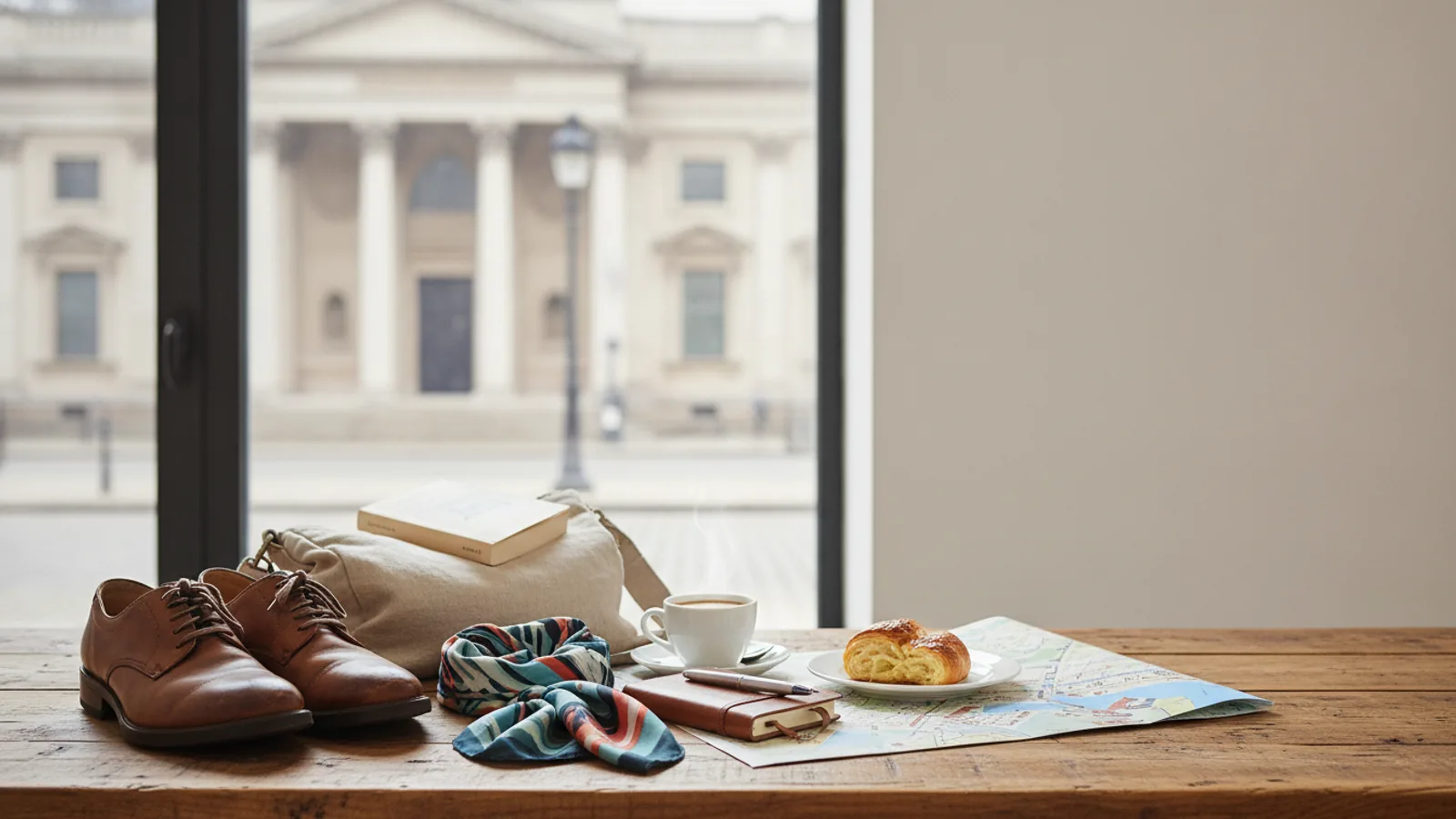
How To Pack An Overnight Bag For A Train Journey
A practical step-by-step guide to how to pack an overnight bag for a train journey, including preparation, instructions, common issues, tips, and next steps.
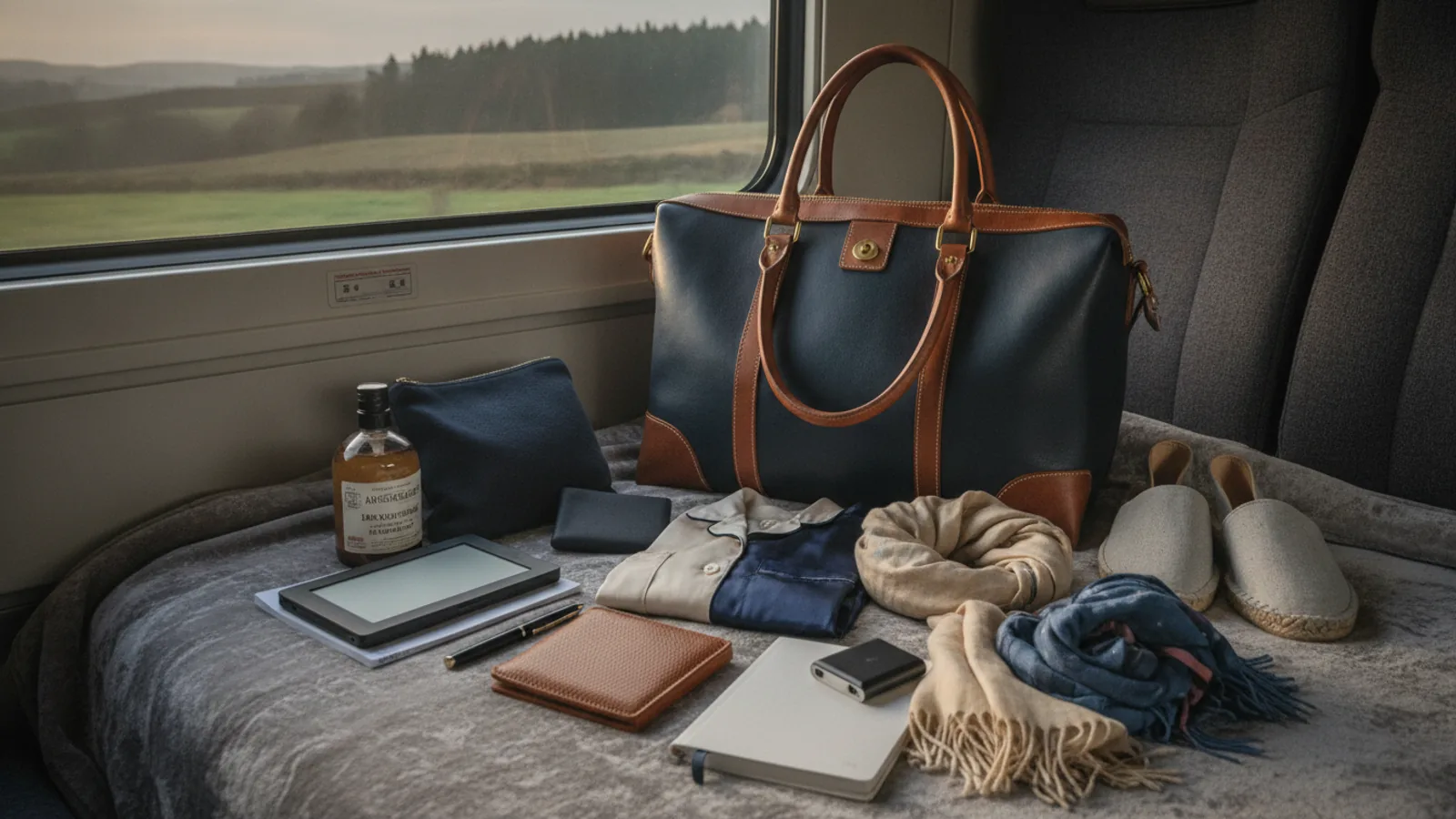
How To Pack An Overnight Bag For A Train Journey
Packing an overnight bag for a train journey requires planning for comfort, convenience, and space. Unlike air travel, trains allow more luggage but you'll need to manage your items within the confines of your seat or sleeper. This guide covers selecting the right bag, choosing clothing and toiletries, handling food and drinks, managing electronics, dealing with security and storage, and preparing for emergencies. With a careful packing strategy, you can ensure a smooth and enjoyable trip, whether you're traveling for business or pleasure.
Fast Answer
- Choose a soft-sided duffel or backpack with multiple compartments to fit under the seat or overhead. Pack versatile clothing, travel-size toiletries, snacks, a refillable water bottle, and electronics with chargers.
- Roll your clothes to save space and reduce wrinkles, place heavier items at the bottom of the bag, and keep essential items like medication, a change of clothes, and valuables in a small accessible pouch.
Before You Start
- Check the train company's luggage policy: some services have size or weight restrictions, especially for carry-on bags. Visit the official website or call customer service to confirm, and note whether there are storage racks or overhead bins.
- Check the weather forecast for your destination and any stops along the way. Use a reliable weather app or website and dress in layers so you can adjust to changing temperatures on the train or at your destination.
- Make a list of everything you need for the overnight, including clothing, toiletries, medications, electronics, snacks, and any documents. Review the list to ensure you haven't forgotten anything essential.
- Prepare a small pouch or zippered bag for valuables and essential items (passport, ID, tickets, phone, charger, medication) that you can keep with you at all times, especially if you leave your main bag in a luggage area.
Step-by-Step Instructions
Choose the Right Bag and Organize It
Select a soft-sided duffel or backpack with compartments. Soft-sided bags are easier to squeeze into overhead racks. Aim for a bag that fits under the seat (about 30-35 liters) to avoid struggling with overhead space. Check your train's luggage policy for any size restrictions – you can find these on the operator's website or by calling them. Once you have your bag, use packing cubes or zip-top bags to separate items: one for clothes, one for toiletries, one for electronics, and one for snacks. This keeps things tidy and makes it easy to find what you need without digging through everything. A useful check: lift your bag fully packed; if it's too heavy to manage comfortably, reduce what you carry. Remember, you may have to walk up steps or through narrow aisles, so keep the weight reasonable.
Pack Clothes for Comfort and Flexibility
Choose clothing that is comfortable and suitable for train travel. Opt for layers: a t-shirt, a sweater or hoodie, and a light jacket. This allows you to adjust to the train's temperature, which can vary. Pack a change of clothes for the next day, including socks and underwear. Rolling your clothes saves space and reduces wrinkles – roll each item tightly, and place heavier items like jeans at the bottom of your bag. For shoes, pack a pair of comfortable walking shoes for the destination, and wear a more durable pair for travel. If you think you might need something formal, use a garment bag or fold carefully. A practical check: after packing, zip the bag and see if it closes easily; if not, remove something you won't wear. Since you're on a train, you can bring a small travel-sized fabric freshener if you want to feel clean without washing.
Pack Toiletries and Personal Items
You'll need travel-size containers for shampoo, conditioner, body wash, toothpaste, and lotion. You can buy empty travel bottles and fill them with your own products. Put all liquids in a single clear, resealable bag to comply with any security rules – even though not all trains have security, it's best to be prepared. Also pack a hairbrush or comb, deodorant, a razor, and any skincare products you use. Don't forget any personal items like contacts and solution. Place toiletries in an easy-to-reach part of your bag, perhaps in a side pocket. A practical check: ask yourself if you can access your toothbrush without unpacking your whole bag. If not, reorganize. On the train, the restroom may not have all amenities, so bring a small pack of tissues or wet wipes for cleanliness.
Pack Electronics and Entertainment
Your smartphone is essential for tickets, maps, and communication. Pack a charger and a power bank because outlets may be limited. Bring earbuds or headphones for music or podcasts. For entertainment, you might want a book, e-reader, or tablet. Download movies, shows, or music in advance, because onboard Wi-Fi may be slow or paid, and there could be areas with no signal. If you like to work, bring any necessary files that are stored offline. A practical check: ensure you have all cables and that your devices are fully charged before boarding. Many trains have power outlets at each seat, but not always; check the train operator's website for amenities. Also, bring a small headphone splitter if you wish to watch with a friend.
Pack Food and Drinks
Trains often have a café car, but bringing your own snacks saves money and ensures you have what you like. Pack non-perishable foods like granola bars, nuts, dried fruit, sandwiches, and fruit that won't bruise easily. Avoid smelly or messy foods like fish or soup. Bring a refillable water bottle – you can fill it after security or at a water station on the train (check if there is one). If you like tea or coffee, bring your own tea bags or instant coffee, and cardboard cup to avoid breakage. A practical check: think about when you'll eat; if you have a long journey, you might need enough for breakfast and lunch, so pack accordingly. Keep all food in one compartment to avoid crumbs in your clothes. Also, consider packing a few small trash bags for wrappers and leftovers.
Prepare for Security and Accessibility
Keep your ID, train ticket, and any reservation confirmations in an easily accessible pocket. Some train stations have security checks similar to airports, so you may need to take out your laptop, liquids, and remove your belt or jacket. To speed up the process, wear easy-to-remove shoes and carry your ID and ticket in your hand, not buried in your bag. Know where your essentials are: if asked to show your ticket, you should be able to produce it without fumbling. A practical check: before you leave home, verify that your bag's zippers are functional and that you can quickly open the main compartment. This reduces the chance of an awkward search. Also, consider labeling your bag with your contact information in case you forget it – you can use a luggage tag or a piece of paper inside.
Quick Reference
| Situation | Action | Why it helps |
|---|---|---|
| Boarding the train with limited overhead space | Place your bag under the seat in front of you if possible, or lift it onto the overhead rack and slide it lengthwise to save space. Use a small, soft bag that can be squeezed to fit. | Under-seat storage is always available and keeps your bag close, reducing the risk of loss. Soft bags are more pliable, so you can fit them into tight spots. |
| Feeling hungry and not wanting the café car prices | Pack your own snacks like nuts, granola bars, fruit, or sandwiches in a resealable bag, and bring an empty water bottle to refill at a water station. | Bringing your own food is often cheaper and allows you to eat healthy options, and you control the portions and timing. |
| Night journey in a reclining seat with limited lighting | Use a small travel pillow, an eye mask, and earplugs to block out light and noise. Put them in a pouch at the top of your bag so you can reach them easily. | These items improve sleep quality, helping you arrive refreshed, and having them accessible avoids disturbing your sleeping position by digging through your bag. |
Common Issues
- Your bag is too heavy to lift onto the overhead rack: Repack at home to reduce weight: bring fewer shoes, use travel-size toiletries, and wear your heaviest clothes. Before boarding, ask a train attendant or fellow passenger for assistance, and if possible, place the bag on the seat first then lift.
- You forget your charger and your phone dies mid-trip: Before you leave, double-check that you have your charger and a power bank. If you forget, use a USB port on the train if available (some trains offer them), or ask a fellow passenger if they have a compatible charger and be polite about returning it.
- Spilling a drink inside your bag: Keep liquids in sealed containers and place them in a separate waterproof bag. If a spill happens, immediately blot the area with a cloth, remove affected items, and air them out. For future trips, pack liquids in a sturdy, leak-proof container and store them in a plastic bag.
Advanced Tips
- Use a luggage scale or a portable digital scale to weigh your bag at home; this avoids surprises and helps you stay within any weight limits. Keep the scale in your carry-on for the return trip.
- Invest in a collapsible water bottle that rolls up when empty; it saves space and is lightweight, and you can refill it after security (if any) or at the train's dining car.
- Pack your clothes in compression packing cubes – they reduce volume significantly and help separate clean and dirty laundry. Use one cube for dirty clothes to keep them away from fresh ones.
Final Checklist
- Verify that you have your train ticket, ID, and any reservation confirmations in an easily accessible place.
- Double-check that you have all cables, chargers, and power banks for your devices, and that they are charged.
- Ensure you have all necessary medications and a small first-aid kit for minor needs.
- Pack a change of clothes and basic toiletries for freshness the next day.
FAQ
What is the best type of bag to carry on a train?
A soft-sided backpack or duffel is best because it fits under the seat or in overhead racks more easily than a hard-shell suitcase. Look for one with multiple compartments to keep items organized. Ensure it is within the train company's size restrictions, which you can find on their website.
Can I bring my own food and drinks on a train?
Yes, you can bring your own food and drinks on most trains. Pack non-perishable items like snacks, sandwiches, and fruits, and bring a refillable water bottle. Avoid smelly or messy foods, and be prepared to carry your trash until you find a bin.
How do I keep my belongings safe on a train?
Keep valuables like passports, money, and electronics in a small pouch you carry with you or keep attached to your person. When placing your bag overhead, use a small lock on the zippers, and never leave your bag unattended. If you're traveling in a sleeper cabin, keep the door locked and store your valuables under your pillow.