How To Choose Useful Bedside Objects For An Uncluttered Room
A practical step-by-step guide to how to choose useful bedside objects for an uncluttered room, including preparation, instructions, common issues, tips, and next steps.
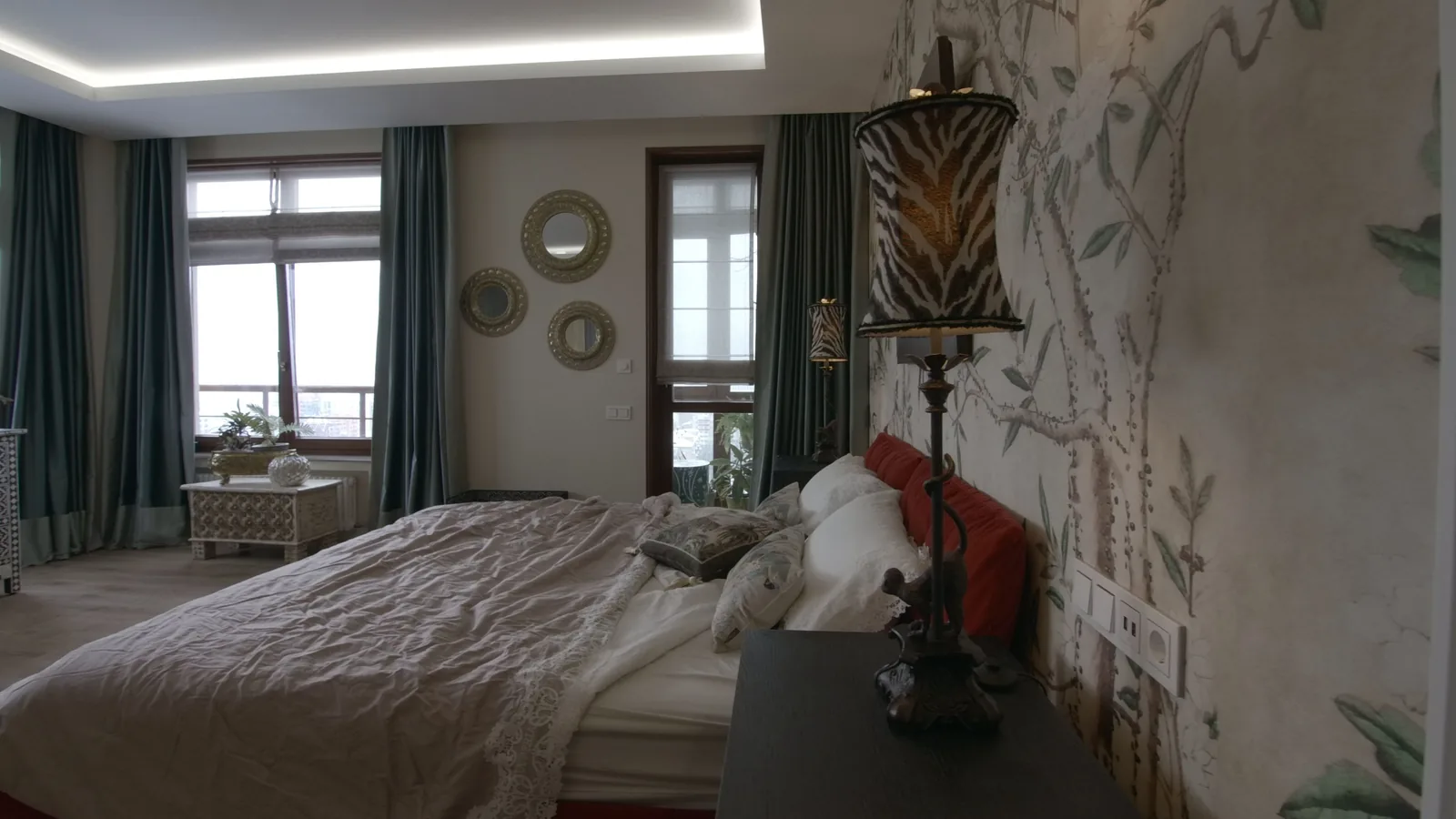
How To Choose Useful Bedside Objects For An Uncluttered Room
Choosing useful bedside objects for an uncluttered room means selecting only items that serve a clear purpose, support relaxation, and fit within a small, organized space. This guide helps you evaluate each potential object by its function, placement, and visual weight, so your nightstand stays tidy and restful. You will learn a simple method to decide what stays, what goes in a drawer, and what needs a different home. By following the steps, you can create a calm, functional bedside area that makes your bedroom feel more serene and your morning and evening routines smoother.
Fast Answer
- Keep only three to five items on your nightstand that you use every night or morning, choosing them for their daily function, easy reach, and visual calm.
- Use the floor, drawers, or other rooms as storage for anything not needed at bedtime, so the surface remains clear and the room feels more spacious.
Before You Start
- Clear your nightstand completely and remove any trash, old cups, or things that belong elsewhere, so you start with a blank surface that shows exactly what you actually use.
- Look under the bed and in the top drawer to see what you already have, so you can repurpose empty containers or organizers instead of buying new ones.
- Decide the main purpose of your bedside zone: is it mainly for sleep, reading, a morning drink, or a single device charging area? Write down one primary use.
- Set a small tray or shallow container that will hold the chosen items, so they have a defined boundary and do not spread across the whole surface.
Step-by-Step Instructions
List what you actually use each night
Take a sheet of paper or use the notes app on your phone, and for three nights, write down every object you reach for after you get into bed. Include things like your phone charger, reading glasses, a book, a water glass, a sleep mask, earplugs, a tissue box, a pen, or a small notebook. Do not clean or rearrange anything during this observation period—just note what you touch and for how long. After three nights, you will have a realistic list that shows your true habits instead of your guess about what you should need. The check is to ask yourself: which of these did I use at least three times in those three nights? Items used only once are likely not essential. This simple observation matters because it replaces assumption with evidence, and it helps you avoid keeping objects out of guilt or vague habit. For example, you might discover you never actually open that magazine, but you do need a place to rest your glasses.
Group your items into keep, drawer, and relocate piles
Now that you have your three-night list, place all those items on the cleared nightstand. Pick up each one and sort it into three piles: keep (used every night, needs to stay within reach), drawer (used only once in a while or something you do not need to see), and relocate (belongs elsewhere, like the bathroom, kitchen, or living room). Be strict with the keep pile: it should contain only your most frequently used objects. As you sort, imagine how it feels to reach out without looking—does this object land exactly where your hand can grasp it without waking your partner? Check that your keep pile has no more than five items, because that is the maximum that still looks calm and leaves space for a lamp or a glass. This grouping matters because it forces you to make a conscious decision about every object, preventing you from defaulting to leaving everything out. You may find that your phone charger is a keeper, but your extra hair tie can easily live in a drawer.
Measure the footprint and choose a home for each keep item
Take a ruler or tape measure and measure the floor area of your nightstand top. Then measure the footprint of each item in your keep pile, including the space it needs around it for easy grasping. Draw a simple rectangle on paper that matches your nightstand, and sketch where each item could sit, keeping the most-used item at the front edge nearest to your dominant hand. For example, your phone and reading glasses might live horizontally at the front, while a small lamp sits in the far corner and a water glass sits on a coaster in the middle. Check that all items fit without overlapping and that there is a clear path for your hand to reach each one. If the footprint is too crowded, you need to move something to the drawer. This measurement step is crucial because it turns a vague idea of a tidy space into a concrete plan, and it prevents you from stacking items or shoving them together, which creates visual clutter and frustration at night.
Clear the floor and declutter the side area
Now look at the floor around your bed, including under the bed and the corner beside the nightstand. Move any shoes, laundry, books, or boxes that have crept there, because floor clutter makes even a tidy nightstand feel chaotic. Sweep or vacuum the area so it feels fresh, and consider whether an under-bed storage container could hold off-season clothes or spare sheets without being an eye sore. Check that the floor is clear and that you can open the nightstand drawer fully without hitting anything. This matters because a cluttered floor collects dust, invites clutter back, and visually weighs down the room. When the floor is clean, your eye rests on the nightstand, and you feel a sense of order. If you keep a laundry hamper close, make sure it has a lid or is at least half a meter away from the bed so it does not dominate the space.
Keep only the daily essential items and add a single decorative touch
Once the surface arrangement is set, resist the urge to add extra objects. You should see only the keep items, a lamp if you use one, and at most one small personal memento such as a framed photo or a tiny plant. If you want something beautiful, choose a single piece that brings you joy, and place it at the far side of the nightstand so it does not interfere with your reach. Check that the visual weight is balanced: not all objects on one side, not a tall lamp overshadowing everything else, and not a clump of tiny trinkets that feel restless. This step matters because a single accent prevents sterility while still honoring the uncluttered goal. Do not add coasters unless you use them, and do not place a tissue box unless you have a cold or allergies that require it daily. If you need tissues often, keep them in the drawer and take out one pack only when sick.
Set a daily 2-minute reset and a weekly edit routine
To keep the space uncluttered, build a simple habit: every morning, after you get up, spend two minutes returning items to their exact spots and moving anything that does not belong into a designated basket or drawer. Additionally, once a week, spend five minutes scanning the nightstand and asking if any object has become clutter—perhaps a coffee mug, a cord, or a bookmark that you no longer use. Check that the weekly edit feels easy, not obsessive, and that you are not adding new items to the keep pile. This routine matters because clutter always creeps back through daily actions like setting down a glass or dropping keys. By resetting each morning, you maintain the order you created; by reviewing weekly, you catch small shifts before they become a mess. You do not need to move items to different spots during the reset—consistency is key, so each object returns to its measured location.
Quick Reference
| Situation | Action | Why it helps |
|---|---|---|
| Your nightstand has a water glass, your phone, a book, glasses, a lamp, and a tissue box all crowded together. | Measure the footprint of all items, then remove the tissue box to a drawer unless you have allergies, and move the book under the lamp base or into the drawer if you are not actively reading it. | Reducing items to only nightly essentials lightens the visual load and makes each item easier to reach. |
| You keep a small decorative bowl that collects keys, coins, and random paper clips, but you rarely use it. | Empty the bowl onto a tray, sort the contents, and relocate the bowl to a closet shelf. | A catch-all container invites clutter and gives small objects a reason to stray onto the surface. |
| You often wake up thirsty but you do not keep water on the nightstand because it feels messy. | Keep a thin water bottle with a clip cap on the far left side, and tuck it under the lamp if your lamp has a small ledge. | A purposeful water bottle removes the excuse for a glass and keeps moisture away from electronics. |
Common Issues
- You keep buying new organizers or trays to fix the mess, but the clutter returns within a week.: Stop buying more containers. Instead, give each item a designated spot and a 'home' in a drawer, and remove anything that does not have a daily use. Assign one reset time each day to return items to their spots.
- Your partner or family members add their own items to the nightstand, such as remote controls or a phone charger.: Assign separate spaces for each person: a single tray per side, or a small drawer for personal items. Communicate the rule that anything left outside the defined area gets moved to the drawer. A clear boundary helps others respect the arrangement.
- You feel the room looks too empty after you declutter, and you are tempted to add more decor.: Instead of adding objects, add visual calm through a soft lamp light, a photo you love, or a simple plant with a low profile. Choose one accent that fits your style, and remember that empty space is itself a design element that promotes rest.
Advanced Tips
- Choose a nightstand with a built-in charging shelf or a built-in USB port if you need to charge a phone, but only if it fits your space and does not require extra cords.
- Use a small magnetic strip on the underside of the nightstand to hold bobby pins or a tiny reading light, keeping them off the surface.
- If you read in bed, install a dimmable wall-mounted lamp above the nightstand to free up the surface and reduce shadows.
Final Checklist
- I removed all items that I did not use at least three times in three nights and relocated them to a drawer or another room.
- My nightstand holds only my nightly essentials, a lamp (if used), and at most one decorative accent, all within a measured footprint.
- I cleared the floor beside the bed and under the bed so that the area around the nightstand is free of visible clutter.
- I set a daily 2-minute reset time and a weekly 5-minute review to keep the space uncluttered over time.
FAQ
How many objects should I keep on my nightstand?
A good rule is to keep only three to five items that you use almost every night or morning. This number includes your lamp, water glass, and phone if needed. If you have more than five, you likely have duplicate purposes or items that could live in a drawer. The goal is to keep the surface visually calm and functional, so adjust based on your actual habits.
What if I need many items for a medical condition or daily medication?
If you require multiple medical items, use a dedicated container on the nightstand that has a lid and is nearly flat, such as a small divided tray. Keep only the medications you need for the night, and store the rest in a drawer. If you have a pill organizer, you can keep it in the drawer and take out the holder only when you take your doses. Never sacrifice safety for tidiness; consult your doctor or pharmacist for specific storage advice.
Can I keep a phone charger on the nightstand?
Yes, if you use it daily, but avoid letting the cable dangle or coil visibly. You can use a short cable that reaches the outlet, and route the wire along the back edge of the nightstand or use a cable clip. Alternatively, charge your phone in a different room during the day, or use a wireless charging pad that sits flat. The key is to ensure the charger does not create a tangle or dominate the surface.