How To Choose A Versatile Smart Casual Wardrobe For The Working Week
A practical step-by-step guide to how to choose a versatile smart-casual wardrobe for the working week, including preparation, instructions, common issues, tips, and next steps.
How To Choose A Versatile Smart Casual Wardrobe For The Working Week
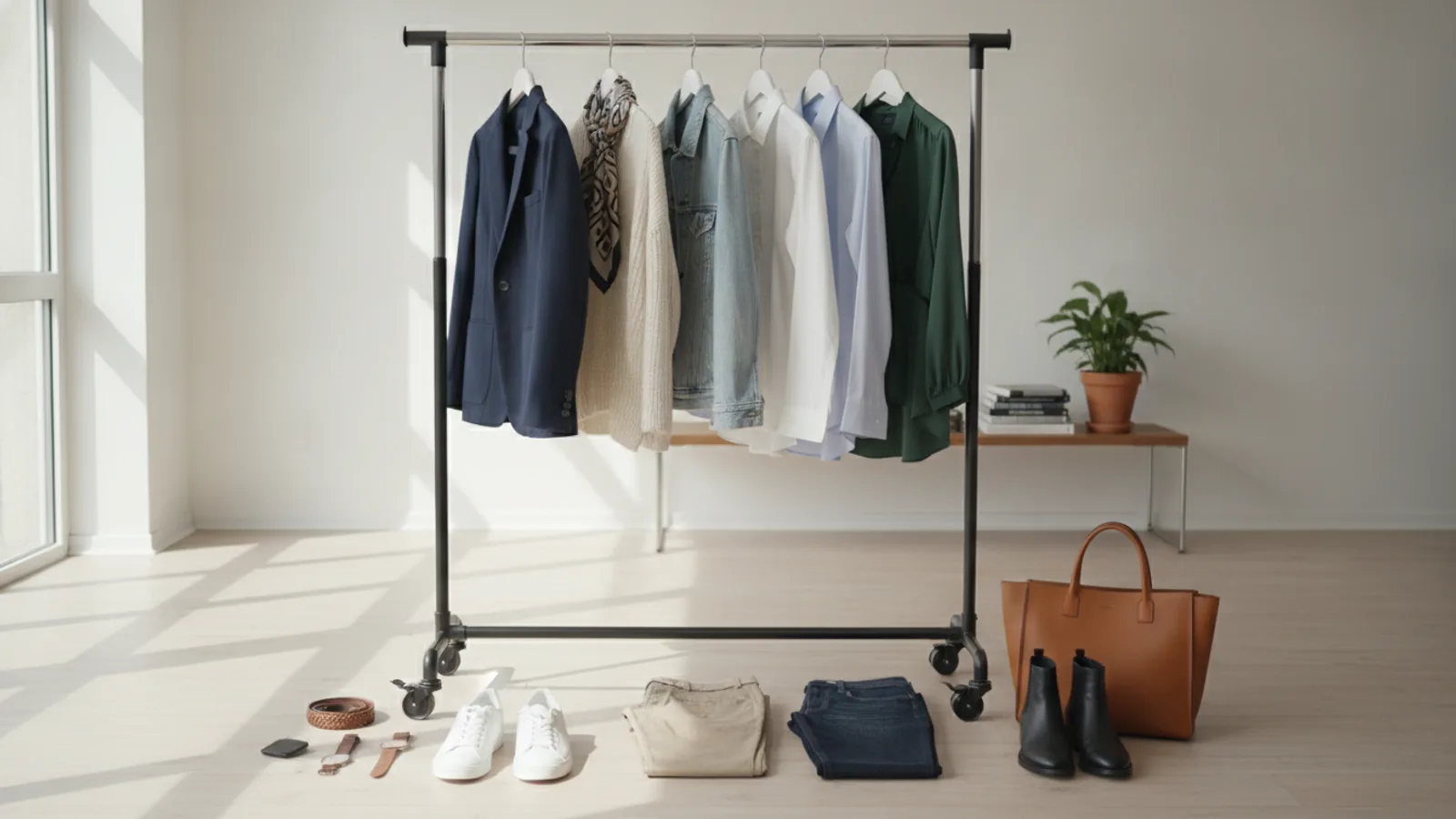
Building a versatile smart-casual wardrobe for the working week means choosing interchangeable pieces that work across office, meetings, and after-work events. This guide covers core items, color coordination, fit, and maintenance so you can dress with confidence and ease.
Fast Answer
- Focus on neutral-colored, well-fitting basics like chinos, button-downs, and knit polos that mix and match effortlessly.
- Invest in quality over quantity, starting with a capsule of 10-15 pieces that coordinate in a cohesive color palette.
Before You Start
- Audit your current wardrobe: identify what you wear most, what fits well, and what you’re missing for a smart-casual look.
- Define your work environment: check if your office leans more formal or relaxed, and note any dress codes or cultural norms.
- Set a budget: decide how much you can spend per item, but avoid focusing on price alone; consider cost-per-wear.
- Gather inspiration: create a digital or physical folder of outfits you like, focusing on styles, colors, and fits that appeal to you.
Step-by-Step Instructions
Assess Your Current Wardrobe
Start by pulling out everything you own that you might wear to work. Try on each piece and evaluate its fit, condition, and style. Note which items you reach for regularly and which ones you avoid because they're uncomfortable, worn, or outdated. This audit helps you see what you already have that works, what needs tailoring, and what missing pieces you actually need. For example, you might discover you have plenty of dress shirts but only one pair of versatile pants. Make a list of gaps, but also note what you'll keep. This step prevents duplicate purchases and saves you from buying more of what you don't wear. Checking this way also reveals any color imbalances or style mismatches, so you can plan future buys to create a cohesive wardrobe.
Choose a Cohesive Color Palette
Select a neutral base of colors that work together for your smart-casual wardrobe. Navy, gray, beige, white, and olive are excellent anchors because they mix with almost anything. Then add one or two accent colors, like burgundy or forest green, for shirts or knitwear. When your palette is limited, every piece pairs with several others, giving you many outfit combinations from a small number of items. For instance, a navy blazer, gray trousers, white shirt, and burgundy knit can be arranged in multiple ways. Avoid bright or clashing colors that are hard to coordinate. As you shop, stick to your palette and resist impulse buys outside it. This step simplifies dressing each morning and ensures you always look put-together. Checking your palette before purchase ensures every new piece will integrate into your rotation.
Invest in Core Building Blocks
Focus on a few key garments that form the backbone of a smart-casual wardrobe: a well-fitted blazer, two pairs of trousers (one wool, one cotton), three button-down shirts, two knit polos or crewnecks, and a pair of dark jeans for casual Fridays. These items can create dozens of outfits. For trousers, choose tailored but not skinny fits; they should break slightly at the shoe. Shirts should fit the shoulders and chest without pulling, and sleeves should end at the wrist bone. Knitwear should layer easily over shirts without bulk. When trying on, move your arms, sit down, and bend to ensure comfort. This step matters because fit is more important than brand; an inexpensive well-fitting garment looks better than a costly ill-fitting one. Check the fabric: natural fibers like cotton, wool, and linen breathe well and drape nicely. Start with these essentials before adding extras like vests or seasonal pieces.
Build Your Shoe Collection
Shoes can make or break a smart-casual look. You need four pairs that cover every situation: dark brown leather derbies or Oxfords for formal meetings, clean white leather sneakers for casual days, suede Chelsea boots for versatility, and a pair of loafers for summer or dressy events. Rotate your shoes daily to let them air out and prolong their life. When buying, choose quality leather that you can polish and resole. Try on shoes in the afternoon when feet are slightly swollen, and walk around the store to check comfort. This step is essential because shoes often get overlooked but they are the first thing people notice. A polished, well-maintained shoe elevates an ordinary outfit, while scuffed, worn sneakers can ruin a strong impression. Check the sole: a leather sole is dressier, whereas a rubber lug sole is more casual.
Mix and Match to Create Outfits
Before you go shopping, plan at least ten complete outfits from your existing pieces to identify gaps. Start with the blazer: pair it with wool trousers and a button-down for meetings, or with chinos and a knit polo for a more relaxed day. Then try combining your shirts with all your bottoms, and your knitwear with blazers. The goal is to create a seamless rotation where you can dress without thinking. When trying new pieces, visualize how they will work with at least three existing items. For example, a grey crewneck sweater should go with both your navy trousers and your olive chinos. This step matters because versatility is the key to a capsule wardrobe; every item must earn its place by being wearable multiple ways. Check that you have at least five different outfits that feel distinctly different, from formal to casual, to comfortably cover the week.
Maintain and Care for Your Wardrobe
To keep your smart-casual pieces looking sharp, follow proper care routines. Wash shirts after each wear, unless they're wool or cashmere, which air out. Hang trousers on clips or roll them to avoid creases. Brush wool coats and blazers regularly, and steam them to remove wrinkles instead of constant ironing. Check pockets before washing, and empty them to avoid stretching. For shoes, wipe off dirt after each wear and polish them monthly. Use a protective spray on suede. This step is vital because good maintenance prolongs the life of your garments, saving you money and reducing waste. Also, regularly assess whether any item needs repairs, like missing buttons or loose hems, and fix them promptly. A well-cared-for wardrobe always looks more expensive than it is. Check your washing machine settings and always follow the care label on each garment to avoid shrinkage or damage.
Quick Reference
| Situation | Action | Why it helps |
|---|---|---|
| You have an important client meeting on a casual Friday. | Swap your usual jeans for tailored chinos and wear a blazer with a button-down shirt. | This keeps you comfortable yet polished, and shows respect for the client without being overdressed. |
| You're invited to an after-work networking event that is smart-casual. | Choose a dark crewneck sweater over a collared shirt, paired with dark denim and loafers. | This look is refined and approachable, suitable for chatting in a relaxed professional setting. |
| You have a day of back-to-back internal meetings and then a dinner. | Wear a navy blazer with light gray trousers and a simple white oxford cloth shirt. | The blazer can be removed for a more casual look at dinner, and the neutral colors transition seamlessly. |
Common Issues
- Trousers are too baggy or too tight, causing an unprofessional silhouette.: Have them tailored: get a straight or slim-tapered fit that skims the thigh and breaks at the shoe. If buying new, take your measurements and use size guides that match your inseam and waist.
- Shirts gape at the buttons or pull across the chest.: Try a size up and have the sides taken in by a tailor, or look for shirts labeled 'slim' or 'athletic fit'. Always check the shoulder seams align with your natural shoulder points.
- Your wardrobe lacks color coordination, so dressing feels chaotic.: Stick to a neutral palette of navy, gray, beige, and white, and add only one accent color. Revisit your favorite outfits to see which tones you naturally wear together and build from those.
Advanced Tips
- Consider seasonal layering: a lightweight merino wool jumper can go over a shirt in winter, and a linen blazer works in summer; this extends your wardrobe year-round.
- Invest in a high-quality leather belt that matches your shoes; this subtle coordination pulls an outfit together.
- Use a capsule wardrobe app to track what you wear and identify which items are actually earning their place; rotate out anything you haven't worn in a month.
Final Checklist
- Audit your existing wardrobe and note any gaps or items that need tailoring.
- Define a neutral color palette of at least three colors that work together.
- Purchase or own the core pieces: a blazer, two pairs of trousers, three shirts, and two knits.
- Verify that each new piece can be worn in at least three different outfits before buying.
FAQ
How many clothes do I need for a smart-casual work rotation?
Aim for a capsule of 10-15 core pieces, not including shoes and accessories. This typically includes 2-3 pairs of trousers, 3-4 shirts, 2-3 knits, a blazer, and a pair of jeans. This allows you to create at least 10 different outfits without repeating the same combination.
What's the best way to ensure my clothes fit well without a tailor?
Learn your key measurements: chest, waist, inseam, and shoulder width. Use size charts from brands (checking measurements, not just S/M/L) and read reviews. When trying on, check that the shoulder seam hits the edge of your shoulder, and that you can button the shirt without pulling.
How can I make a limited wardrobe feel more varied?
Use accessories strategically: different belts, watches, pocket squares, or shoes can change the feel of an outfit. Also, vary your layering by adding a vest, cardigan, or over-shirt. Finally, experiment with tucking in or cuffing sleeves to create distinct looks.