How To Plan A First Everyday Watch With A Durable Strap
A practical step-by-step guide to how to plan a first everyday watch with a durable strap, including preparation, instructions, common issues, tips, and next steps.
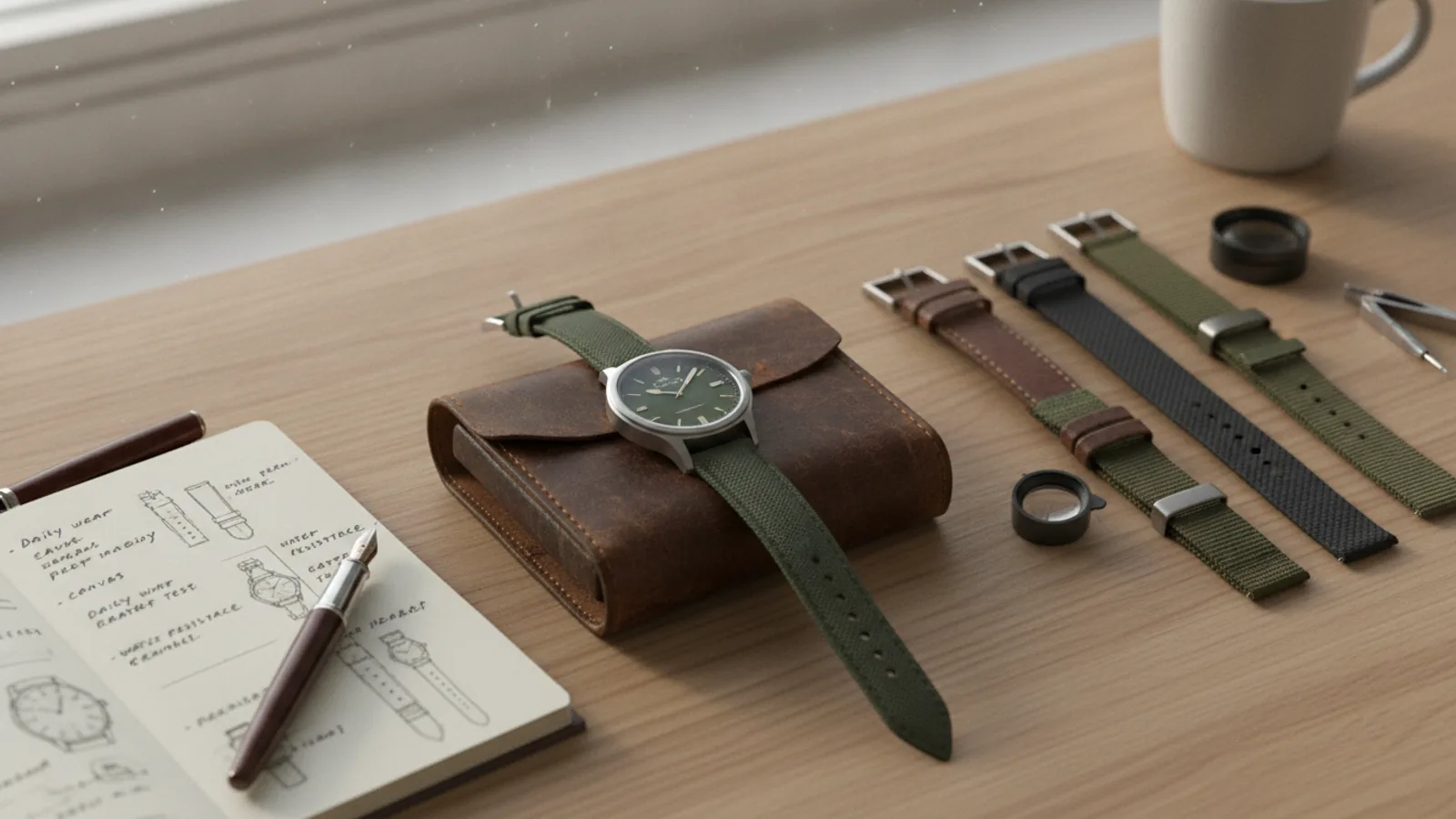
How To Plan A First Everyday Watch With A Durable Strap
Planning your first everyday watch with a durable strap means balancing comfort, style, and resilience for daily wear. This guide walks you through choosing a strap material that fits your activities, selecting a case size that suits your wrist, and preparing a checklist for maintenance. You will learn how to assess your lifestyle, set a practical budget without focusing on price, and pick features that matter, like water resistance and scratch resistance. The steps cover everything from initial research to final adjustments, ensuring your watch becomes a reliable companion. You will also find quick reference tips for common situations, solutions for frequent issues like strap loosening, and advanced advice for long-term care. By the end, you will have a personalized plan to acquire and maintain a watch that looks good and lasts through everyday adventures.
Fast Answer
- Start by identifying your daily activities and the level of toughness you need; this helps you choose between rubber, nylon, or metal straps.
- Measure your wrist size accurately and consider the watch case diameter (typically 38-42mm for most adults) to ensure a comfortable fit that doesn't slide or pinch.
Before You Start
- List your typical week: note if you work at a desk, do manual labor, exercise, or spend time outdoors; each scenario demands different strap resilience.
- Decide on a budget range in your mind, but avoid naming a specific price; this guides your choices without limiting options prematurely.
- Research basic watch terms like lug width, case diameter, and water resistance rating (e.g., 50m means safe for splashes, not swimming).
- Try on different watch styles in a store to feel the weight and strap flexibility; this helps you know what feels comfortable for all-day wear.
Step-by-Step Instructions
Assess Your Daily Routine and Environment
Begin by observing how you spend your days for a full week. Note if you frequently wash your hands, work with chemicals, engage in sports, or sit at a computer. This assessment is crucial because it determines the type of strap that will endure. For instance, if you work in a kitchen, a fabric strap will absorb water and odors quickly, so a rubber or metal strap is better. If you are outdoors often, a nylon strap with a quick-release system can be swapped when dirty. Also, consider the climate: in humid summers, a breathable strap like perforated leather or nylon is more comfortable. Write down your top three activities that involve wrist movement. This step ensures you don't overlook a critical wear condition that could ruin a strap unexpectedly. Your watch is on your wrist almost constantly, so its strap must match your lifestyle.
Determine the Ideal Case Size and Weight
Measure your wrist circumference using a flexible tape or a piece of string. Wrap it around your wrist just below the wrist bone, where you would normally wear a watch. Note the measurement in millimeters. A common guideline is that the watch case diameter should be about 40mm for a 6.5-inch wrist, but this varies based on personal preference. Try on watches with different case sizes and thicknesses to see how they feel. A heavy watch can cause fatigue during the day, so lightweight materials like titanium or certain plastics might be preferable if you are not used to heavier watches. Also consider the case height: a thin watch slides easily under sleeves, while a chunky one might catch on edges. Remember that the strap's width at the lugs also affects comfort; a wider strap can feel more stable on a larger wrist. This step prevents buying a watch that feels like a brick or too small.
Choose a Durable Strap Material
Now select a strap material that matches your lifestyle from the options available: rubber, silicone, nylon (including NATO style), leather (especially coated or treated), or metal (such as stainless steel or titanium). For most people, a high-quality rubber or silicone strap is ideal for everyday wear because it resists water, sweat, and dirt, and it cleans easily with soap and water. If you prefer a classic look, a leather strap treated with a waterproof coating can work, but it requires more care. Metal straps are very durable but can be heavy and may scratch over time. Nylon straps are lightweight, quick-drying, and comfortable, but they may fray after years of use. Go to a store and handle samples: bend them, feel the texture, and check the buckle quality. This step ensures you pick a material that will actually last through your daily activities.
Verify Strap Attachment and Adjustability
Check how the strap attaches to the watch case. Common types include spring bars, which allow easy replacement, and integrated straps, which are unique to the watch model. For an everyday watch, spring bars are preferable because you can replace the strap without special tools. Also examine the strap's adjustability: does it have multiple holes for the buckle? A good strap should have at least 5 holes to fine-tune the fit. If you are between two holes, the watch may feel too loose or too tight. For metal bracelets, consider a clasp with micro-adjustment so you can adjust the fit throughout the day as your wrist swells in heat. If you choose a NATO strap, it is usually adjustable by weaving, but it still needs a secure fold-over. This step ensures the strap stays firmly attached and comfortable.
Set Up a Care and Cleaning Routine
Develop a simple routine to keep your watch and strap in top condition. For rubber or silicone, wipe with a damp cloth daily and wash with mild soap weekly. For nylon, hand wash in cool water with a bit of detergent and let it air dry; remove the strap from the watch beforehand. For leather, use a cleaner specifically designed for leather and condition it monthly to prevent cracking. Metal bracelets can be brushed with a soft toothbrush and soapy water, then rinsed thoroughly and dried. Also, periodically check the spring bars for wear; if they are bent, replace them immediately. This routine is not just about looks; it prevents skin irritation from buildup and extends the life of the strap. By investing a few minutes each week, you avoid costly replacements.
Perform a Final Fit and Comfort Check
Wear the watch for a full day during normal activities. Pay attention to any pressure points, excessive sliding, or irritation. The watch should sit snugly but allow one finger to slide under the strap. Check that the strap does not cause a rash or leave deep indentations. Also, perform a scratch test: gently rub the strap against a rough surface to see if it mars; this isn't necessary for all materials, but for coated metals you should be careful. If the strap is too long, see if extra holes can be added for a buckle, but for metal bracelets, remove links using a tool or have a jeweler do it. If the watch feels top-heavy, consider a different strap material or a smaller case. This final check ensures long-term comfort, preventing you from abandoning the watch due to discomfort.
Quick Reference
| Situation | Action | Why it helps |
|---|---|---|
| You are about to go swimming with your watch for the first time. | Check the water resistance rating on the watch back; if it is at least 100m, you can swim, but if it is 50m or less, avoid submerging it. Also, ensure that the strap material is not a type that absorbs water like untreated leather. | Water resistance ratings are often misrepresented; a 50m rating is not suitable for swimming, only for splashes. Leather straps can be ruined by water, so swapping to a rubber strap is safer. |
| The strap becomes loose after wearing it for a few months. | Inspect the spring bars and the holes in the strap; if the holes are stretched, move to a different hole or replace the strap. For metal bracelets, adjust the micro-adjustment clamp to a tighter setting. | Regular wear causes materials to stretch, especially leather and nylon, and spring bars can bend, leading to risk of the watch falling off. Proactive adjustment prevents loss or damage. |
| You notice a slight smell from your rubber strap after workouts. | Remove the strap and wash it thoroughly with mild soap and warm water, using a soft brush to scrub the grooves and underside. Dry it completely before reattaching. | Sweat and bacteria accumulate in tiny pores of rubber, causing odor. Regular cleaning eliminates bacteria, preventing skin irritation and making the strap last longer. |
Common Issues
- Strap causes skin irritation or redness.: Stop wearing the watch for a day to let your skin heal. Then, try a different strap material known for hypoallergenic properties, such as pure silicone or a metal strap coated with a hypoallergenic layer. Also, clean the watch and strap regularly to remove allergens.
- The strap breaks or cracks prematurely.: Inspect the break point: if it is at the buckle, you might be pulling the strap too hard. Replace the strap with a higher-quality version and ensure you are not overtightening. For rubber straps, avoid prolonged exposure to extreme cold, which can cause cracking.
- The watch slides around the wrist, causing discomfort.: Adjust the strap to a tighter hole or have a link removed from a metal bracelet. If the strap is slippery, consider a textured strap or a different material. Also, ensure the strap is not too long; a properly fitted watch should not rotate on your wrist.
Advanced Tips
- For a truly lasting strap, consider a quick-release system that allows you to swap straps without tools, so you can switch to a rubber strap for workouts and a metal one for formal events.
- When storing your watch, keep it on a soft surface and avoid placing heavy objects on top; for leather straps, use a watch roll to maintain shape.
- If you engage in outdoor activities, apply a UV protective spray to nylon straps to prevent fading, but test it on a hidden area first.
Final Checklist
- I have identified my primary daily activities and chosen a strap material that can withstand them (e.g., rubber for sports).
- I measured my wrist correctly and selected a watch case that is comfortable and not too heavy.
- I verified that the strap attaches securely and can be adjusted to a precise fit.
- I have a cleaning routine in place and have tested the watch for a full day without discomfort.
FAQ
How often should I replace the strap on my everyday watch?
It depends on the material and usage. A rubber strap might last 2-3 years if you wear it daily, while a metal bracelet could last decades with proper care. Check regularly for signs of wear like cracks, fading, or looseness. If you notice any, replace the strap immediately to avoid losing your watch.
Can I swim with a watch that has a leather strap?
No, leather is porous and will absorb water, causing it to stretch, smell, and deteriorate quickly. Even if the case is water-resistant, the strap will be ruined. For swimming or any water activity, switch to a rubber, silicone, or nylon strap that is designed to get wet.
What is the difference between a watch strap and a watch band?
The terms are often used interchangeably to describe the part that secures the watch to your wrist. Some people refer to 'strap' for leather or rubber, and 'band' for metal or plastic, but there is no official distinction. In this guide, they mean the same thing.