How To Care For A Leather Watch Strap Worn Every Day
A practical step-by-step guide to how to care for a leather watch strap worn every day, including preparation, instructions, common issues, tips, and next steps.
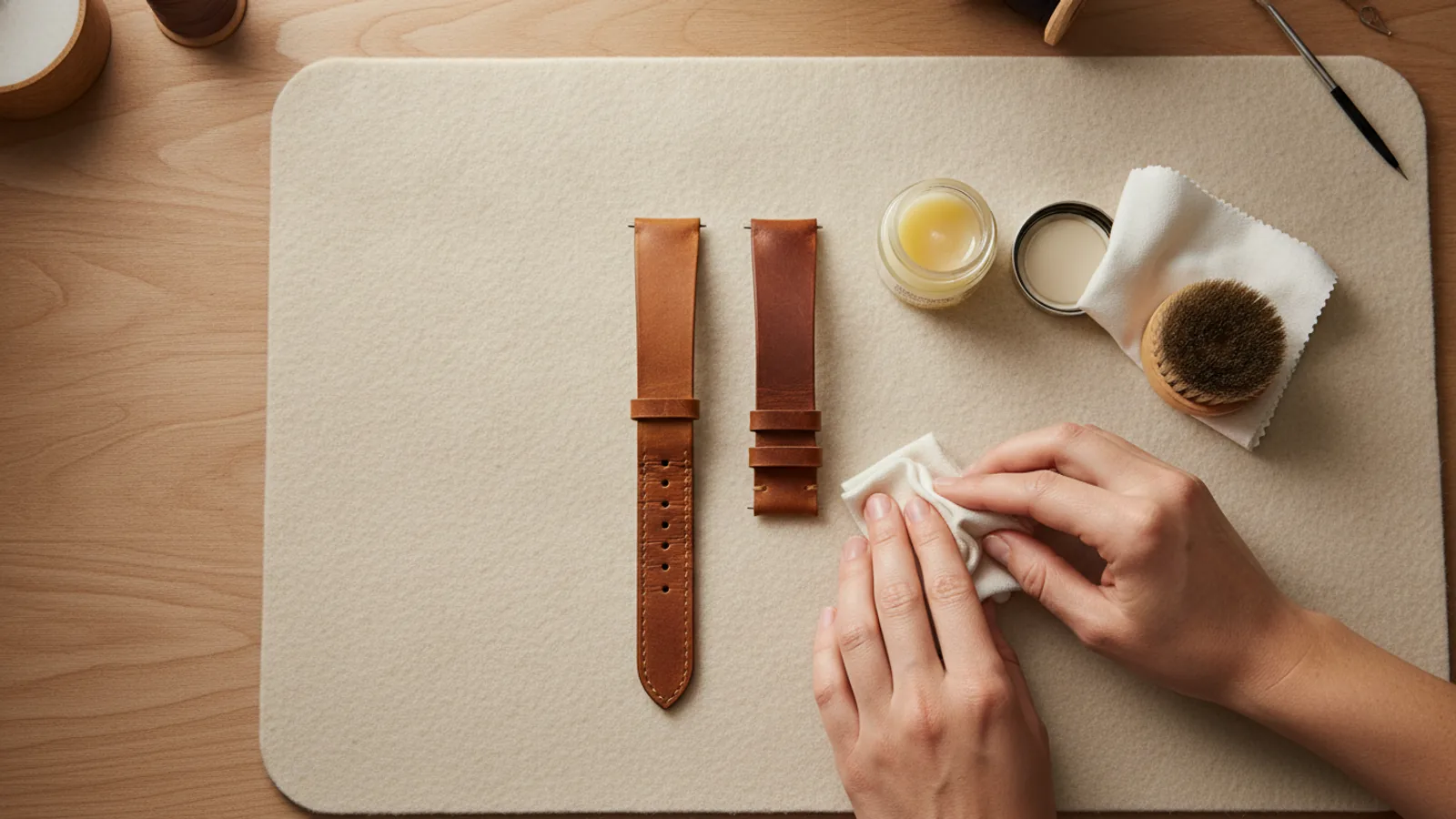
How To Care For A Leather Watch Strap Worn Every Day
Caring for a leather watch strap worn daily requires gentle cleaning, proper drying, and regular conditioning to prevent cracking and discoloration. This guide provides a step-by-step routine that keeps the leather supple and elegant, helps you avoid common mistakes like water damage and over-conditioning, and includes quick fixes for everyday wear issues. Follow these practical steps to extend the life of your strap and maintain its polished appearance without sacrificing convenience.
Fast Answer
- Wipe the strap with a dry microfiber cloth after each wear to remove sweat and oils, and let it air out away from direct sunlight.
- Condition the leather once a month with a product made for watch straps, applying sparingly and letting it absorb overnight.
Before You Start
- Gather a soft, dry microfiber cloth for daily wiping and a separate damp cloth for deeper cleaning when needed.
- Have a leather conditioner specifically designed for watch straps or fine leather; avoid generic oils that can darken or soften the leather too much.
- Find a clean, flat surface away from direct heat and sunlight where you can work on the strap without risk of spills or scratches.
- Prepare a small bowl with lukewarm water and a drop of mild soap (like baby shampoo) only if you plan a deep clean; have a second dry cloth ready.
Step-by-Step Instructions
Daily Wipe After Each Wear
Immediately after removing your watch, take a dry microfiber cloth and gently wipe the entire strap, both the top surface and the underside that touches your skin. This removes sweat, body oils, and dust that accumulate during the day. Pay special attention to the edges and the area near the buckle, where grime often builds up. Do this for about 30 seconds, using light pressure to avoid scratching the leather. This simple habit is the single most effective way to prevent long-term staining and cracking. The check is that the cloth comes away visibly clean or only slightly dusty; if it shows heavy dark residue, you may need a deeper clean sooner. By doing this daily, you stop dirt from embedding into the fibers, which keeps the leather soft and prevents that stiff, dull look that comes from neglect.
Let the Strap Breathe Overnight
After wiping, do not immediately stash your watch in a closed drawer or box. Instead, lay it flat or place it on a watch stand in a well-ventilated area, ideally away from direct sunlight and heat. This allows residual moisture from your skin to evaporate naturally. Moisture trapped against leather can cause the dye to fade and the fibers to weaken over time. Letting it air out for at least a few hours, or overnight, is crucial. Place it on a clean, dry surface that won't transfer color, such as a cork or wooden stand. Avoid leaving it near a radiator, air conditioner, or window where temperature swings can cause the leather to contract and expand. A practical check is to feel the back of the strap in the morning; it should feel completely dry, not cool or damp. This practice maintains the leather's structural integrity and prevents that sour odor that comes from bacteria thriving in damp leather.
Monthly Deep Clean for Grime
Once a month, give the strap a more thorough cleaning to remove accumulated oils and dirt that a dry wipe can't tackle. Mix a drop of mild soap in lukewarm water, dip a soft cloth into the solution, wring it out thoroughly so it's only slightly damp, and gently wipe the entire strap. Avoid getting the leather too wet; you want just enough moisture to lift grime. Work in small circular motions, and don't scrub hard. Use a clean damp cloth to wipe away any soapy residue. Then, immediately pat the strap with a dry towel to remove excess water. Do not use any solvent-based cleaners or alcohol wipes, as these strip the leather's natural oils. After cleaning, let it air dry for at least a few hours. The check is that the strap looks uniform in color without shiny spots or lingering dirt marks. This monthly reset helps maintain a consistent appearance and prevents the leather from becoming sticky or tacky from oil buildup.
Condition the Leather Regularly
Conditioning replenishes the natural oils that keep leather flexible and prevents cracking. Use a conditioner made specifically for leather watch straps or fine leather goods. Apply a tiny amount—about the size of a grain of rice—to a soft, dry cloth, then rub it gently into the strap using circular motions. Cover both sides and the edges, but be careful not to overdo it; excess conditioner can darken the leather and attract dust. Leave it to absorb for at least 30 minutes, then buff the strap with a clean, dry cloth to remove any residue. The best time to condition is after the monthly deep clean, but only if the strap feels dry or slightly stiff. A practical check: after conditioning, the leather should feel smooth and supple, not greasy. If you see a visible ring or residue, you've used too much. Conditioning every 2-3 months is usually sufficient for daily wear, but adjust based on your climate and how the leather feels.
Protect Against Water and Sun
Even with regular care, water and intense sunlight are the leather's worst enemies. Always remove your watch before washing hands, doing dishes, or participating in water sports. If the strap does get wet, blot it immediately with a dry cloth, then let it air dry naturally—never use a hairdryer or radiator. For sun protection, avoid leaving your watch on a windowsill or dashboard where UV rays can fade the color and dry out the leather. Consider applying a leather protector spray that is designed for watch straps; this adds a water-repellent barrier. However, test it on a small area first to ensure it doesn't alter the finish. The check is to be mindful of your environment: if you're going outside for a long time, wear the watch under a sleeve or keep it shaded. By being proactive, you reduce the risk of permanent stains and brittleness, keeping the strap looking new for years.
Reassess Fit and Hardware
Leather stretches and conforms to your wrist over time, so it's important to check the fit regularly to avoid strain on the strap and the lugs. Once a month, ensure the buckle and keeper are not pulling too tightly; you should be able to slide a finger under the strap. If the strap feels loose or the holes are wearing, adjust the tightness or consider having additional holes punched by a professional. Also, inspect the spring bars and buckle for corrosion or looseness. Use a small screwdriver or a spring bar tool to gently remove the strap and clean the area where it meets the watch case; dust and skin oils can accumulate there. While the strap is off, check the leather for any cracks or thinning. The check is that the strap looks evenly worn and the hardware moves freely without resistance. Addressing these small issues early prevents sudden breakage and keeps the watch secure on your wrist.
Quick Reference
| Situation | Action | Why it helps |
|---|---|---|
| You take off your watch before washing your hands. | Place the watch on a flat surface away from the sink, then wipe the strap with a dry cloth before putting it back on. | This prevents accidental splashes and removes any moisture or soap that might have splattered, keeping the leather dry. |
| The strap feels stiff after a few weeks of wearing. | Apply a small amount of leather conditioner, let it sit for 20 minutes, then buff with a soft cloth. | Conditioning restores the natural oils lost during wear, making the leather flexible and preventing cracks. |
| You notice a dark stain on the strap from sweat. | Dampen a cloth with a drop of mild soap and gently rub the stained area, then dry with a clean cloth. | Sweat contains salts and oils that can discolor leather; a gentle clean removes them without damaging the surface. |
Common Issues
- Strap smells musty or has a sour odor.: Wipe the strap with a cloth dampened in a solution of two parts water and one part white vinegar, then let it air dry completely in a ventilated area. Repeat if needed.
- Leather has minor scratches or scuffs.: Gently rub the scratched area with your fingertip to warm and spread the natural oils, then apply a small amount of conditioner and buff to blend the mark.
- Strap becomes discolored from wearing with dark clothing.: Use a leather cleaner that is safe for the dye, apply to a soft cloth, and gently rub the affected area. Avoid abrasive pads, and test in an inconspicuous spot first.
Advanced Tips
- Invest in a dark-colored strap if your skin produces heavy oils; it hides wear better than light colors like tan or grey.
- If you live in a humid environment, use a leather conditioner with anti-mold properties, but ensure it’s compatible with watch straps.
- Wire-brush the inside of the keeper holes with a soft toothbrush to prevent them from enlarging unevenly, which adds safety.
Final Checklist
- Wipe the strap with a dry cloth after each wear to remove sweat and oils.
- Let the strap air out on a stand or flat surface overnight to allow moisture to evaporate.
- Perform a monthly deep clean with a slightly damp cloth and mild soap, then let it dry completely.
- Condition the leather every 2-3 months using a product made for watch straps, testing on a hidden area first.
FAQ
How often should I condition my leather watch strap?
Conditioning frequency depends on how often you wear the watch and your climate. For daily wear, conditioning every 2-3 months is usually sufficient. If the leather feels dry to the touch, apply a small amount of conditioner and observe how it absorbs. Over-conditioning can make the leather sticky and attract dust, so start with a tiny amount.
Can I wear my leather strap while exercising?
It’s best to avoid wearing a leather strap during intense exercise or sports because sweat will soak into the leather, causing it to stretch, discolor, and break down faster. If you must exercise with a watch, switch to a rubber or nylon strap. If the strap does get damp, dry it off immediately and let it air dry completely.
What’s the best way to store my watch with a leather strap?
Store the watch in a cool, dry place away from direct sunlight. Ideally, keep it in a watch box or a soft cloth pouch. Avoid leaving it in a bathroom with high humidity. If you have a leather strap, do not wrap it tightly around the case; instead, lay it flat or on a cushion to prevent it from developing creases or warping.