What To Check Before A Reliable Jacket For Changeable Weather
A practical step-by-step guide to what to check before a reliable jacket for changeable weather, including preparation, instructions, common issues, tips, and next steps.
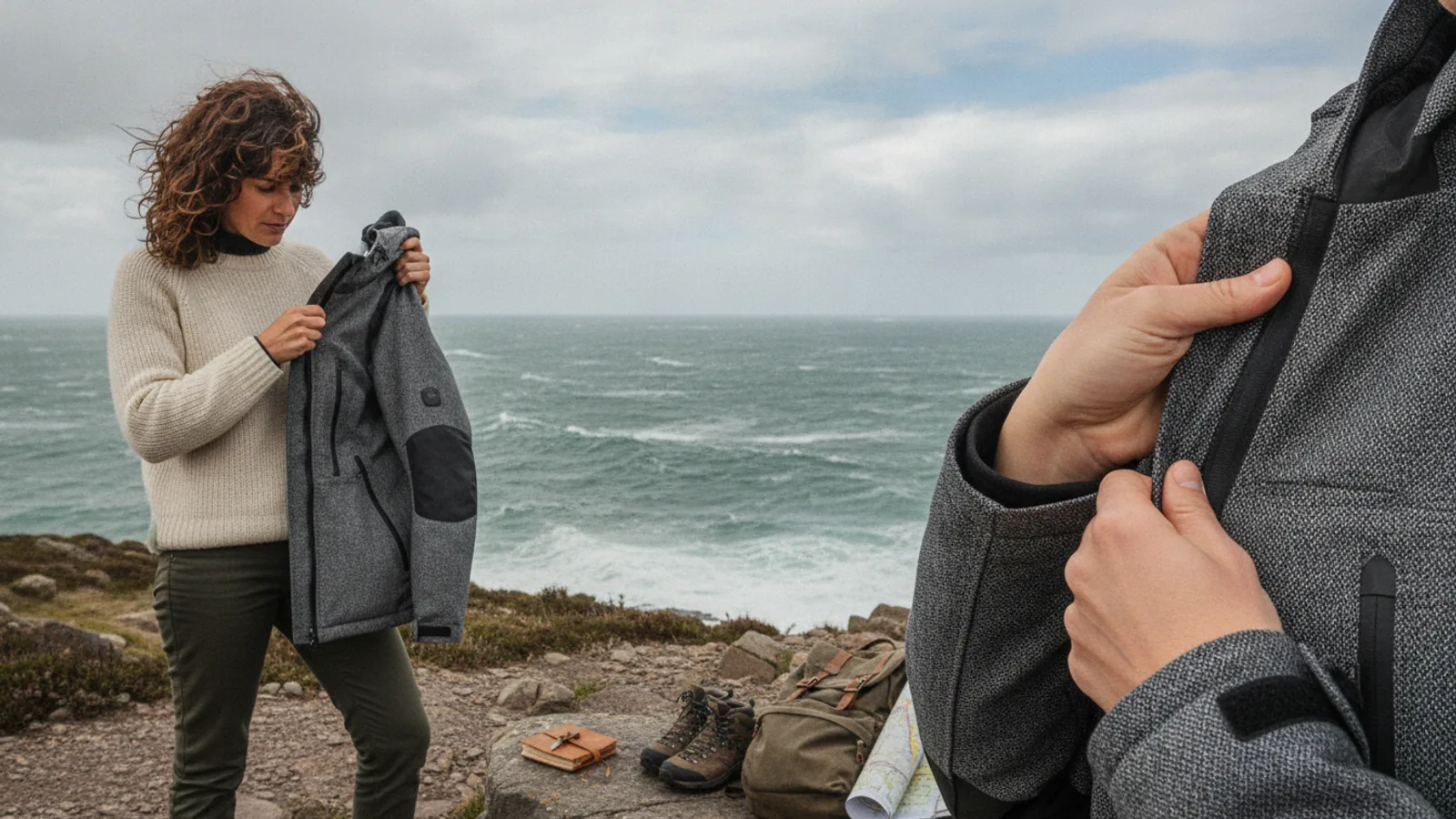
What To Check Before A Reliable Jacket For Changeable Weather
Choosing a reliable jacket for changeable weather means preparing for sudden shifts in temperature, wind, and rain without carrying heavy layers. This guide walks through the key checks to perform on a jacket before buying or wearing it, ensuring it handles unpredictable conditions with comfort and protection. Focus on materials, seams, zippers, hoods, and fit to make a smart choice that lasts.
Fast Answer
- Check the jacket's water resistance and breathability by reading the fabric technology and looking for a waterproof membrane or coating.
- Inspect seams, zippers, and hood design to ensure they block wind and rain, and choose a jacket that layers well over your usual clothing.
Before You Start
- Check the weather forecast for the coming days to understand typical conditions like rain, wind, and temperature swings.
- Consider your activity level and layering plans to decide whether you need a lightweight shell or insulation.
- Look at the jacket's care label and material composition to know how to maintain its water-repellent finish.
- Set a mental checklist for testing fit and movement, such as raising your arms and bending your torso.
Step-by-Step Instructions
Check the fabric and water resistance
Start by examining the jacket's outer fabric. Look for a label that describes water resistance, such as a waterproof membrane or a durable water-repellent (DWR) coating. To test, place a few drops of water on the fabric surface. If the droplets bead up and roll off, the jacket has good water repellency. If they soak in, the jacket will wet out quickly in rain. Also consider breathability: a fabric with microporous membranes or vents allows sweat to escape, keeping you dry from the inside. For changeable weather, you want a balance between water resistance and breathability so you don't overheat when active. Remember that DWR wears off over time, so plan to reapply it periodically to maintain performance.
Inspect the sealed seams
Seams are where water can sneak in, especially on shoulders and hoods. Look inside the jacket to see if the seams are sealed with tape. Run your fingers along the seams to feel for a thin layer of tape covering the stitches. If you see bare stitching, the jacket may not be fully waterproof. To test, hold the jacket under a running tap for a few seconds, but only on the fabric near a seam, and check for dampness inside. A reliable jacket has all critical seams, especially in the hood, shoulders, and sleeves, sealed. Seam sealing prevents water from seeping through needle holes. For changeable weather, this is a non-negotiable check because even light rain can find its way through unsealed seams and soak your base layer.
Test the zippers and storm flaps
Zippers are a common weak point in wet weather. Check the main front zipper to see if it has a waterproof coating or a hidden storm flap behind it. Run the zipper up and down to ensure it moves smoothly and doesn't snag. For a practical test, partially zip the jacket, hold it under a gentle water trickle over the zipper area for a few seconds, and then open it to feel if the inside is wet. Waterproof zippers often have a rubberized edge, while storm flaps are a double layer of fabric that blocks water. Also check pocket zippers, as a wetted smartphone is a pain. A reliable jacket has zippers that close tightly, with minimum gaps. This check matters because zippers are often the first to fail, leading to cold and damp interiors during changeable conditions.
Evaluate the hood design and adjustability
A hood that doesn't stay put or lacks adjustment is useless in wind and rain. Look for a hood that is shaped to follow your head and has at least two adjustment points: one at the back for depth, and one at the front to cinch around your face. Test by putting the hood on and turning your head side to side; it should not block your vision or slide off. Also check if the hood has a stiffened peak that keeps water off your face and offers a clearer view. A well-designed hood often has a wire brim or a structured shape. For changeable weather, a good hood is essential because you may face sudden showers and wind gusts. A hood that you cannot adjust will let rain drift onto your forehead or allow cold air to enter.
Review the cuffs and hem closures
Cuffs and a hem that cinch down help keep cold air and rain from rushing up your arms or torso. Check that the cuffs have adjustable closures, such as Velcro straps or elastic bands, that can be tightened around gloves or a watch. Also test the hem: it should have a drawcord that you can pull to seal around your waist. To test, put on the jacket, zip it up, then raise your arms as if reaching overhead and notice if the hem rides up and lets in drafts. A good jacket will have a hem that stays relatively in place or can be cinched securely. This check matters because in changeable weather, wind can funnel up your jacket and cool you rapidly, especially when you are active. Proper closures trap warm air and block moisture.
Assess the overall fit and layering space
A reliable jacket must fit your activities and allow room for layering. Put on the jacket and check that you can easily cross your arms and raise them overhead without the fabric pulling tight across your back or shoulders. The sleeves should be long enough to cover your wrists even when your arms are extended. Also, consider what you'll wear under it: you may need space for a sweater or a fleece. Try the jacket over a bulky jumper to see if it still feels comfortable. If the jacket feels too tight, it will restrict movement and trap moisture. A slightly generous fit that allows air circulation is better for changeable weather because it helps regulate temperature and lets you add or remove layers.
Quick Reference
| Situation | Action | Why it helps |
|---|---|---|
| The weather forecast calls for intermittent rain and sun, and you'll be walking in town. | Choose a lightweight, packable jacket with a water-repellent finish and a hood you can stash, then carry it in your daypack when not needed. | This way you can quickly put it on when a shower starts and store it easily to avoid extra bulk. |
| You plan a long bike commute in a windy, cold drizzle. | Select a jacket with an adjustable hood that fits over a helmet, sealed seams, and a tight-fitting cuffs and hem to cut wind. | Biking increases your exposure to wind chill, so these features keep you dry and block cold drafts. |
| You're doing a vigorous hike with a high chance of showers, and you expect to sweat. | Pick a jacket with pit zips or breathable panels, and wear a moisture-wicking base layer underneath to manage sweat. | A breathable jacket prevents overheating and condensation buildup, reducing clamminess and chill. |
Common Issues
- The jacket's DWR coating wears off after a season, causing water to soak into the outer fabric.: Reapply a DWR spray or wash-in treatment according to the manufacturer's instructions, and clean the jacket first to remove dirt that blocks the coating.
- Zippers often stick, especially after long exposure to moisture.: Lubricate the zipper with a silicone-based product or a graphite pencil, wiping off excess; apply regularly to keep it running smoothly.
- Seams leak after heavy use, leading to dampness in shoulders and hood.: Reapply seam sealant to areas that show wear, or use a rubberized seam tape on the inside, following the product guidelines.
Advanced Tips
- For true versatility, look for a jacket with a two-way front zipper that lets you open the bottom for extra ventilation when active.
- Check if the jacket has a small water-resistant media pocket on the chest or sleeve for quick phone access without unzipping the main zipper.
- Consider a jacket with a five-pocket design or internal drop-in pockets that allow you to store gloves and a hat without digging through external layers.
Final Checklist
- Fabric passes a water droplet test and feels breathable to your skin.
- All critical seams are taped and show no signs of bare stitching.
- Main and pocket zippers run smoothly and have storm flaps or waterproof coating.
- Hood, cuffs, and hem have adjustments that keep the jacket sealed comfortably in a moving test.
FAQ
What is the difference between waterproof and water-repellent, and which do I need?
Waterproof means a garment has a barrier that blocks water penetration under pressure, while water-repellent uses a DWR finish that makes water bead up. For light rain and changeable weather, a water-repellent jacket may suffice, but for prolonged rain, look for a waterproof membrane, which is typically more durable.
How can I tell if a jacket is truly breathable?
Look for a breathability rating (often in grams), but also check for ventilation features like pit zips or mesh linings. A practical test: hold a piece of clear plastic over the fabric and breathe onto it; if vapor forms quickly, the fabric is not very breathable. Also, a jacket with a mesh inner lining and underarm vents will help release heat.
Should I choose a jacket with insulation, or is a shell enough?
A shell is a thin outer layer meant to cut wind and rain, while insulation adds warmth. For changeable weather, a shell with room to layer is often more versatile because you can adjust insulation underneath. If you naturally run cold, a lightly insulated jacket with a waterproof outer shell might work better, but test it for breathability.