How To Build A Shaving Routine That Avoids Unnecessary Irritation
A practical step-by-step guide to how to build a shaving routine that avoids unnecessary irritation, including preparation, instructions, common issues, tips, and next steps.
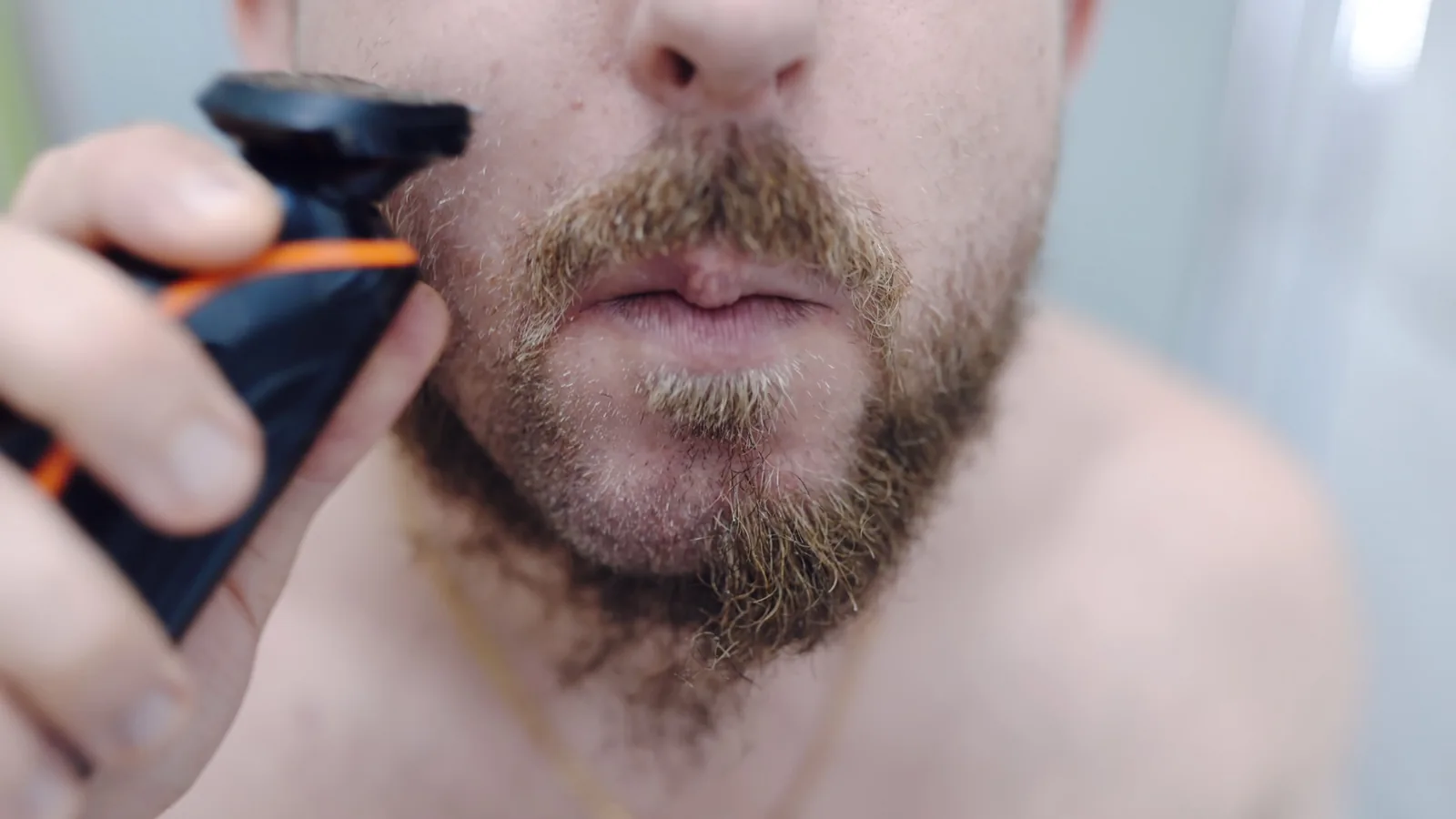
How To Build A Shaving Routine That Avoids Unnecessary Irritation
Building a shaving routine that minimizes irritation starts with understanding your skin type and hair growth pattern, then preparing both skin and tools before every shave. You choose a suitable razor, use a gentle pre-shave oil or warm compress, and always shave with the grain using short strokes. After shaving, rinse with cool water and apply an alcohol-free balm instead of an astringent splash. The order of steps, the angle of the blade, and the pressure you apply matter more than the number of passes. You avoid common mistakes like rushing, going over the same area repeatedly, or using dull blades. This guide walks you through a repeatable process that keeps your skin comfortable and reduces red bumps, razor burn, and dryness.
Fast Answer
- Soak your face with warm water for at least two minutes before shaving, then apply a slick, fragrance-free shaving cream and use a sharp, single-blade razor with light, short strokes in the direction your hair grows.
- Finish by rinsing with cool water, patting your skin dry with a clean towel, and applying a soothing, alcohol-free moisturizer or post-shave balm to lock in hydration and calm any irritation.
Before You Start
- Identify your skin type (oily, dry, sensitive, or combination) by observing how your face feels an hour after washing, and choose products labeled for your type or for sensitive skin to avoid harsh ingredients.
- Examine the direction your hair grows on different parts of your face, because the grain often changes on the neck and jawline; use a close mirror to trace the growth pattern with your fingers.
- Gather your tools: a clean razor with a sharp blade, a shaving brush if you use cream, a bowl for lather, a soft towel, and a post-shave balm, and inspect the razor for nicks or rust before starting.
- Wash your face with a gentle, non-foaming cleanser to remove dirt and excess oil, then rinse thoroughly with warm water to open pores and soften the hair; avoid hot water that can strip skin oils.
Step-by-Step Instructions
Soften Your Skin with Warm Water
Start by splashing your face with lukewarm water for about two minutes, or shave right after a warm shower. The heat and moisture swell the hair shafts, making them easier to cut cleanly without tugging. As you wet your skin, gently massage a pre-shave oil or a few drops of fragrance-free conditioning oil over your beard area. This creates a protective barrier that lets the razor glide. To check whether you have softened enough, run a fingertip across your cheek; the hair should feel flexible rather than stiff. If the water is too hot, you risk stripping natural oils, which can promote irritation. Keep a bowl of warm water nearby to re-wet your skin between passes if you shave outside the shower. This preparation step reduces the force your razor needs, which directly lowers the chance of micro-cuts and razor burn. Take the full time because rushing here means more friction later.
Apply a Slick, Soothing Shave Lather
Use a shaving brush to whip a dollop of shaving cream or soap into a rich, dense lather, or apply a generous layer of a high-quality gel if you prefer. The lather lifts the hairs and coats each strand with a cushion of moisture, so the blade never touches bare skin. Work the lather in a circular motion for about a minute, then let it sit for another sixty seconds to further soften the hair. Check the consistency: it should be thick enough to hide your skin but not so stiff that it dries before you finish. If it feels dry, add a few drops of water and whip again. Avoid products with alcohol, added fragrance, or menthol, as these can sting and irritate. A good lather reduces the coefficient of friction and prevents the blade from skipping, which is the main cause of nicks and razor bumps. Spend at least a minute preparing the lather on your face, because a thin or watery lather offers almost no protection. Always re-lather before you shave a second area.
Shave with the Grain Using Short, Light Strokes
Hold the razor at a thirty-degree angle and use short strokes of about one centimeter, always moving in the direction the hair grows. This is called shaving with the grain. Start with your sideburns and cheeks, then move to your chin and neck, which have coarser hair. Never press down hard; let the weight of the razor do the work, and use your other hand to stretch the skin flat in tricky spots like the jawline. After each stroke, rinse the razor in warm water to clear hair and lather. Check your progress by feeling your skin with a dry fingertip; if you feel stubble, you can re-lather and make one more pass. Shaving against the grain forces the blade to cut the hair below the skin surface, leading to ingrown hairs and irritation. You only need one or two passes for a close shave. When you reach the chin, slow down and use very short strokes because that area curves. If you feel any pulling, stop and re-soften that spot with water.
Rinse with Cool Water and Pat Dry
After you finish shaving, rinse your face with cool water to close pores and remove any leftover lather. Use a clean, soft towel to pat your skin dry; do not rub, as that creates friction. Rubbing can irritate the freshly shaved surface and dislodge the protective layer of moisture. Check your skin closely in a mirror for any missed areas or small nicks. If you see a nick, press a cotton pad with a bit of cool water on it for a minute to stop the bleeding. Cool water also calms the blood vessels and reduces redness. Do not use hot water after shaving because it can reopen micro-cuts. After patting dry, wait about one minute to let your skin return to its normal temperature before applying any post-shave product. This pause helps the skin absorb the next layer without trapping heat. The goal is to leave the skin clean and dry but not stripped of all oils. You should not feel any tightness or burning at this point, and if you do, check your shaving technique for a future adjustment.
Apply an Alcohol-Free Post-Shave Balm
Choose a post-shave balm or moisturizer that is labeled alcohol-free and contains soothing ingredients like aloe vera, chamomile, or shea butter. Squeeze a pea-sized amount into your palm, rub your hands together, and press the balm onto your face with light, tapping motions. Do not massage vigorously, as your skin is sensitive right after shaving. Even if you have oily skin, use a light moisturizer because shaving removes the surface layer of dead cells and leaves skin exposed. The balm forms a protective barrier that locks in hydration and helps prevent razor burn. Check the ingredient list for common irritants like witch hazel or fragrance and avoid them if your skin is prone to redness. Spread the balm evenly over your entire shaved area, including your neck and jawline. If you get a burning sensation after applying a product, remove it immediately with cool water and stop using that product. A good balm should make your skin feel comfortable, not sticky. You can apply a second thin layer to dry patches after a few minutes if needed.
Clean and Care for Your Shaving Tools
After shaving, disassemble your razor and rinse the blade head thoroughly under warm running water to remove all hair and lather. Shake off excess water and let it air dry completely on a clean towel or stand. If you use a double-edge razor, carefully remove the blade, rinse it, and pat it dry with a tissue, then store the blade in a dry place. Replace the blade or cartridge every five to seven shaves, or sooner if you notice tugging or rust. A dull blade pulls the hair and causes irritation, so this step is not optional. Clean your shaving brush by swirling it in warm water and then gently squeeze out the water, using a drop of mild shampoo if you use a badger brush. Rinse until the water runs clear and set it upside down to dry. Check your razor for any skin particles or buildup that could harbor bacteria. Store your tools in a cool, dry location away from the shower’s humidity to prevent rust. Maintaining your equipment ensures each shave starts with sharp, clean contact that minimizes micro-trauma to your skin.
Quick Reference
| Situation | Action | Why it helps |
|---|---|---|
| You have five minutes to shave before an event. | Take a one-minute warm water soak, apply a quick pre-shave oil, then shave with the grain in one pass using a sharp razor, and finish with a no-alcohol balm. | A quick but proper prep reduces friction and damage even under time pressure, while skipping aftershave with alcohol prevents stinging. |
| You notice red bumps or razor burn after shaving, especially on your neck. | Stop doing multiple passes and don't stretch the skin too forcefully; shave only with the grain, use a cooler water rinse, and apply a hydrocortisone cream once if needed. | Reducing passes and avoiding stretching lets hair stay above the skin, stopping ingrown hairs and calming inflammation. |
| Ever get cuts or nicks along the jawline or chin. | Use a single-blade razor for these areas, hold the blade at a steeper angle closer to 45 degrees, and use very short strokes applying zero pressure. | A single blade and lighter angle gives you more control over curved surfaces, so you don’t catch the skin with the blade edge. |
Common Issues
- Razor burn is a red, stinging rash that appears right after shaving.: Switch to a sharper blade, always use warm water and a thick lather, and press the razor as lightly as possible. After rinsing with cool water, apply a gel with aloe vera. If razor burn persists, reduce your shaving frequency to every two days.
- Ingrown hairs are small bumps that form when hair curls back into the skin, most often on the neck.: Exfoliate gently with a soft brush before shaving to release trapped hairs. Always shave in the direction of hair growth, and avoid multi-blade razors that cut below skin level. Apply a product with salicylic acid on the affected area.
- Dry and tight skin after every shave, often due to harsh cleansers or hot water.: Wash your face with warm water only, not hot, and use a gentle cleanser without sulfates. After shaving, pat dry and apply a richer moisturizer with ceramides immediately. Avoid any product containing alcohol, in your pre-shave or post-shave.
Advanced Tips
- Try using a cold-water rinse for your final shave phase instead of warm water for the entire process; this reduces post-shave redness significantly if your skin reacts poorly to heat.
- For sensitive skin, consider a single-blade safety razor (like a double-edge razor) instead of a multi-blade cartridge, because fewer blades minimize the chance of cutting too close and reducing irritation.
- Schedule your shave in the evening rather than the morning if your skin tends to be puffy after sleep; later in the day, your skin is more relaxed and less prone to nicks.
Final Checklist
- Before starting, identify your skin type and hair grain to confident from the first step.
- Prepare your skin and tools: soak with warm water, apply oil, and have a sharp razor ready.
- Shave with the grain in short strokes, pressing lightly, and rinse the blade after each stroke.
- After shaving, rinse with cool water, pat dry gently, and apply alcohol-free balm, then clean your tools.
FAQ
Should I shave right after a hot shower?
Yes, a warm shower is ideal because the steam and water soften your beard and open your pores, so the hair cuts more easily. However, avoid a very hot shower that strips away natural oils. If you don’t shower, at least hold a warm wet towel over your face for two minutes to achieve the same softening effect.
How often should I change my razor blade or cartridge?
Replace your blade or cartridge after five to seven shaves, or as soon as you notice any pulling, dullness, or rust. A dull blade causes micro-tears that lead to irritation and razor bumps. If your hair is very coarse, you may need to change it more frequently. Always inspect the blade before each shave.
Is it okay to shave every day if I have sensitive skin?
Daily shaving can be fine if you use a gentle technique and the right products, but many people with sensitive skin find that shaving every day increases irritation. If you notice razor burn or dryness, try shaving every other day and focus on moisturizing and using a pre-shave oil. You can also reduce the number of passes you make.