How To Choose A Reliable Jacket For Changeable Weather
A practical step-by-step guide to how to choose a reliable jacket for changeable weather, including preparation, instructions, common issues, tips, and next steps.
How To Choose A Reliable Jacket For Changeable Weather
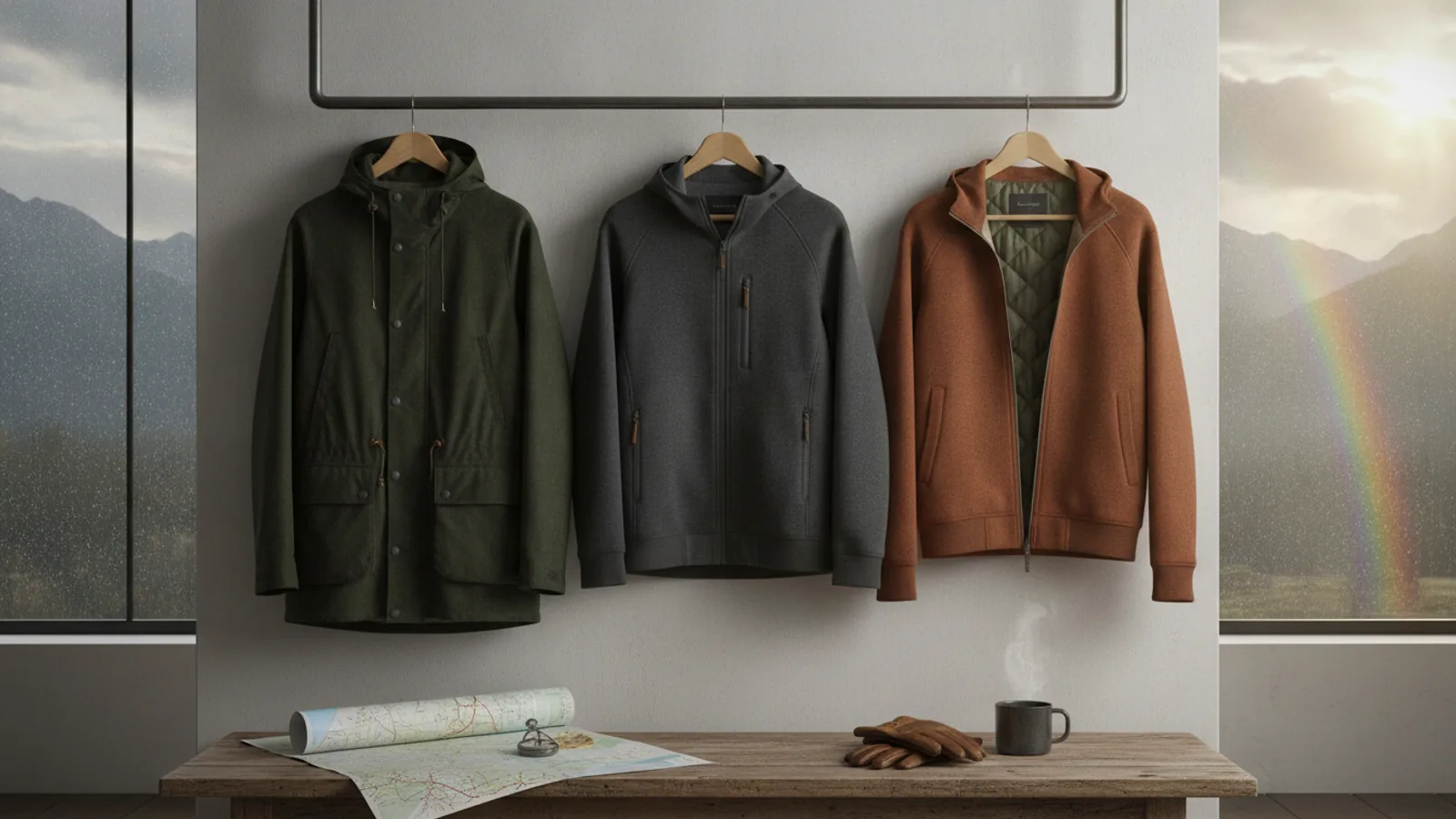
Choosing a reliable jacket for changeable weather means balancing warmth, breathability, and water resistance while adapting to varying conditions. This guide helps you evaluate fabrics, features, and fit to make an informed choice.
Fast Answer
- Look for a jacket with a breathable, water-resistant outer shell and an insulating mid-layer that you can adjust for temperature changes.
- Choose a jacket with adjustable cuffs, hem, and hood, and a front zipper that can open for ventilation, so you can easily adapt to shifting weather.
Before You Start
- Check the weather forecast for your planned activities and note the temperature range, wind, and rain chances to know what conditions you'll face.
- Consider your activity level: will you be walking briskly, hiking, or sitting still? More active use means you need more breathability.
- Think about layering: plan to wear base, mid, and outer layers, so your jacket should fit over a mid-layer without being too tight.
- Evaluate the jacket's material: look for outer fabric with a durable water-repellent finish and a lining that wicks moisture or provides insulation.
Step-by-Step Instructions
Assess Your Climate and Activity
Start by evaluating the typical weather in your region and the kinds of activities you'll do while wearing the jacket. For changeable weather, you need a jacket that can handle sun, wind, rain, and temperature swings. If you live in an area with frequent showers, prioritize water resistance over heavy insulation. If you'll be hiking or commuting actively, breathability becomes critical to prevent overheating. Make a list of the weather extremes you expect: cold mornings, rainy afternoons, or windy evenings. This assessment guides every other choice, from fabric to features. Without this step, you might buy a jacket that excels in one condition but fails in another, leading to discomfort and extra layers you don't need. Remember to think about how long you'll be outside—shorter trips may tolerate less versatility.
Check Fabric and Breathability
The fabric determines how well the jacket handles water and sweat. Look for a shell made of nylon or polyester with a durable water-repellent (DWR) finish that causes rain to bead up and roll off. Avoid cotton, which absorbs water and dries slowly. For breathability, check the fabric's permeability rating or look for venting features like mesh-lined underarm zippers. A jacket with high waterproofing but low breathability will trap sweat, making you feel clammy and chilled. On the other hand, a highly breathable jacket may not shed heavy rain effectively. Strike a balance by choosing a 2.5-layer or 3-layer construction, which offers good weather protection while letting moisture escape. If you live in a dry climate, prioritize breathability; if rain is frequent, prioritize water resistance.
Evaluate Insulation and Layers
For changeable weather, consider a jacket with moderate insulation or a system that allows you to add or remove layers. Synthetic insulation, like polyester fill, keeps you warm even when wet, while down is warmer but loses insulation when soaked. A 3-in-1 jacket, which has an outer shell and inner zip-in liner, offers ultimate versatility: you can wear the shell alone in rain, the liner alone in cool weather, or both together in cold conditions. Alternatively, a light insulated jacket can be combined with a base layer for warmth and a packable vest for extra core heat. The key is to ensure the jacket fits over your mid-layer without being too snug, as a tight fit restricts movement and traps heat. Also, check for a two-way front zipper that lets you adjust ventilation from the bottom.
Inspect Critically for Fit and Mobility
The best jacket is one that fits well and allows full range of motion. Try on the jacket with your usual layers and raise your arms overhead, reach forward, and bend side-to-side. The sleeves should not ride up excessively, and the shoulders should not pull. Look for a slightly longer back hem to keep your lower back covered when you bend. Adjustable cuffs and a drawcord hem are essential to seal out wind and rain, but they shouldn't be too tight or restrictive. Check that the jacket's length covers your torso adequately and that the collar sits comfortably without chafing. Also, if you plan to wear a backpack or harness, the jacket should not bunch up in the shoulders. A poor fit not only compromises comfort but also reduces weather protection, as gaps let cold air and water in.
Choose Features That Adapt
Pay attention to the hood, zippers, and pockets, as these small features make a big difference in changeable weather. A hood should be adjustable and roomy enough to cover a hat, but not obstruct your vision. Many jackets have a stowable hood that tucks into the collar when not needed. Look for water-resistant zippers on main openings, and consider pit zips for ventilation. Pockets should be zipped to protect valuables from rain, and you may want an internal chest pocket for your phone. Some jackets have a RECCO reflector, which is nice but not essential. Also, check that the hood fits snugly around your face, and that the jacket's hem closure prevents wind from whistling in. These features let you tailor the jacket to current conditions, giving you more control over your comfort.
Compare Care and Durability
Consider how long the jacket will last and how much maintenance it needs. Read the label for washing instructions: many technical jackets require gentle washing with a tech wash product to maintain DWR treatment, and they may need periodic reproofing. Ask if the jacket comes with a repair warranty or if elbow and shoulder patches are reinforced. Look for robust zippers and ripstop fabric that resists tears. Also, assess the jacket's packability: some can fold into their own pocket, which is handy for unpredictable weather. A jacket that is easy to care for and repair will serve you longer. Compare these factors against your budget, but remember that a slightly higher upfront investment can save you money and hassle in the long run.
Quick Reference
| Situation | Action | Why it helps |
|---|---|---|
| It's sunny with light wind and you're about to go for a brisk walk. | Wear the jacket with the front zipper open and sleeves pushed up, using pit zips if present for ventilation and removing your mid-layer. | This maximizes airflow to prevent overheating and lets you adjust quickly if a cloud passes or wind picks up. |
| You're caught in a sudden rain shower while wearing your jacket. | Immediately zip up the front, tighten the hood and cuffs, and ensure the hem is snug to keep rain out, then move to shelter if available. | Sealing all openings prevents water from entering and keeps your clothing underneath dry, preserving your warmth. |
| The temperature drops after sunset and you're feeling cold outdoor in your jacket. | Add a dry mid-layer like a fleece under the jacket, tighten the hem and cuffs, and zip up, but avoid overheating by opening pit zips if active. | Layering adds warmth, and snug closures trap your body heat, while ventilation prevents sweat, so you stay comfortable. |
Common Issues
- The jacket wets out: water soaks through the outer fabric.: Reapply a durable water-repellent (DWR) treatment to the outer shell. Clean the jacket with a technical wash, then spray or wipe on a DWR solution and let it dry, following product instructions.
- You feel clammy and overheated during activity even in cool weather.: Open front zippers and pit zips to increase airflow. Move to a lighter layer and adjust your activity or clothing to reduce sweating. Ensure your base layer is moisture-wicking, not cotton.
- The hood flaps and blocks your vision in wind.: Adjust the hood's toggles and cords so it fits snugly around your face without pulling. Check if the jacket has a hood adjustment system; if not, try on a different jacket or wear a brimmed cap underneath.
Advanced Tips
- Look for a jacket with a 'two-way' front zipper that lets you open the bottom for extra ventilation while keeping the top closed.
- Consider a jacket with interior dump pockets: mesh pockets inside the jacket that act as extra vents and store gloves or a hat.
- Practice your own 'micro-adjusts': unzip the main zipper, loosen the hem, or roll up sleeves to fine-tune comfort without stopping your activity.
Final Checklist
- Identify the temperature range and rain likelihood you'll face to guide your choice.
- Choose a breathable shell with DWR finish and adjustable hood, cuffs, and hem.
- Select insulation that matches your activity level and layering plan for cold weather.
- Ensure the jacket fits over your mid-layer and allows full arm movement without binding.
FAQ
How can I tell if a jacket is truly waterproof?
Check the manufacturer's waterproof rating in millimeters (e.g., 10,000 mm). Higher numbers mean better water resistance, but also ensure the jacket has sealed seams and water-resistant zippers. For changeable weather, a rating of 5,000-10,000 mm is usually sufficient.
What's the difference between waterproof and water-resistant?
Waterproof jackets have a membrane or coating that blocks water entirely under pressure, while water-resistant jackets have a DWR finish that causes light rain to bead and roll off. For heavy rain, waterproof is better; for drizzle, water-resistant is often more breathable.
How often should I reproof my jacket?
Reproof when water no longer beads on the outer fabric and instead soaks in. On average, that's after every few wears in rain or after washing. Use a DWR spray or wash-in treatment following the product's instructions for best results.